 BMW.SG | BMW Singapore Owners Community The Ultimate BMW Community – Established Since 2001

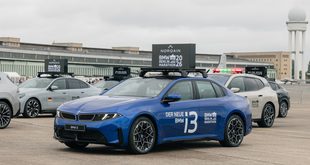
The BMW i3 Long Wheelbase has officially rolled into the spotlight, steering BMW’s fightback in China ahead of its full public debut at the 2026 Beijing Auto Show later this week. With the Bavarian marque navigating a tricky few years in the world’s largest single automotive market, this stretched electric saloon spearheads a fresh wave of Neue Klasse machinery designed specifically to reignite showroom traffic. The i3 LWB showcases precisely what most of the globe will not be able to drive home, positioning itself as a tailor-made offering for Chinese motorists who place serious value on generous rear legroom and a commanding on-road presence.
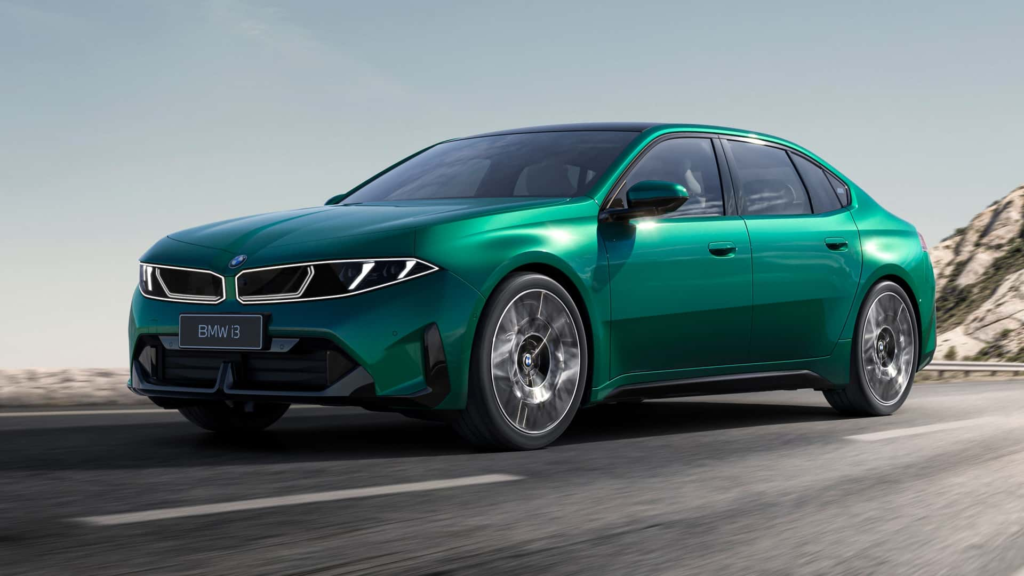
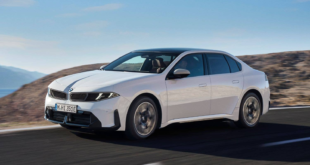
Visually, the Long Wheelbase variant sticks close to the familiar Neue Klasse styling template, though several key alterations mark it out from its global sibling. The rear doors have grown considerably to complement the stretched cabin, and perhaps most noticeably, the pop-out flush door handles of the international model have been replaced with traditional semi-enclosed items. That was not a stylistic choice on BMW’s part but rather a last-minute engineering response to fresh Chinese regulations that effectively prohibit fully flush door handles on new vehicles. Curiously, an M badge has been etched into the glossy black plastic trim beside the C-pillars on this i3 50 xDrive, and it even lights up when the doors are unlocked, which seems slightly out of step with Neue Klasse’s minimalist philosophy elsewhere.
Under the skin, the i3 LWB rides on a wheelbase measuring more than three metres (118.1 inches), actually exceeding the regular 5 Series in terms of sheer length between the wheels. Of course, the 5 Series itself is available in stretched form in China too, where long-wheelbase variants form a core part of BMW’s segment-blurring local line-up. Even SUVs in the range have been given the extended treatment to cater to the market’s enduring demand for chauffeur-class rear cabin space. With its bonnet-to-boot proportions subtly reworked, the i3 LWB still manages to retain the athletic silhouette of the standard car, proving the stretched architecture need not compromise on kerbside appeal.

On the performance front, BMW quotes a range of more than 1,000 kilometres (621 miles) on the Chinese CLTC cycle, though that particular testing protocol is notably more generous than the stricter WLTP and EPA standards used elsewhere. Even allowing for that, BMW claims the i3 LWB will deliver segment-leading range in China, a major selling point in a market where buyers have become increasingly range-conscious. Charging capability mirrors the international model, accepting up to 400kW of DC power, which allows the saloon to replenish enough energy for 400 CLTC-rated kilometres (249 miles) in a mere 10 minutes plugged in. The interior leans hard into the screen-heavy Neue Klasse layout, which feels tailor-made for Chinese consumer preferences for digital cabin experiences.
Historically, BMW’s long-wheelbase variants have been reserved exclusively for the Chinese market, though the tide has begun to shift, with the new iX3 LWB already confirmed for several other regions. That opens up the possibility of the stretched i3 one day reaching additional markets, though most global buyers will still have to settle for the standard-wheelbase version. For BMW, the stakes in China could hardly be higher. The market still accounts for 25.4 per cent of total sales in 2025, including Mini, with roughly 626,000 vehicles delivered last year, down sharply from the approximately 847,900 units sold back in 2021. With the i3 LWB and its iX3 stablemate now waiting in the wings, Munich is driving hard to close that considerable gap.