 BMW.SG | BMW Singapore Owners Community The Ultimate BMW Community – Established Since 2001

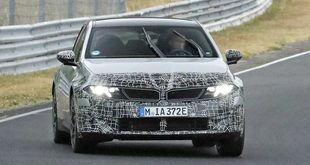
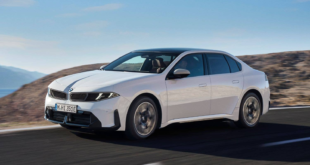
The BMW i3 is not simply a 3 Series with batteries bolted underneath. It is a ground-up rethinking of what BMW’s most iconic sports saloon should look and feel like in an electric age, and it may well be the most significant evolution the nameplate has undergone in decades. Built on the new Neue Klasse architecture, the i3 has been engineered from the outset as a pure electric vehicle, with every panel, every system, and every line of code tailored to battery power. At 187.5 inches long with a 114.1-inch wheelbase, it sits slightly larger than the current 3 Series, yet thin roof pillars and tall glass give it a leaner, more athletic stance on the road.

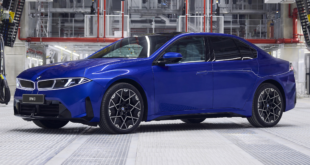
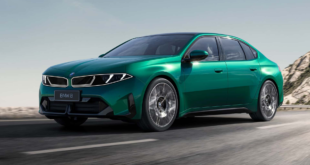
From the nose, the i3 wears a wide LED-rimmed twin-kidney grille that wraps into the front corners, a deliberate nod to classic BMW designs. Sculpted flanks flow rearward into a kicked-up shoulder line, while a full-width band of LED taillights stretches across a compact, purposeful rear end. The overall impression is unmistakably BMW, yet fresh enough to signal that this car belongs to a new generation entirely. It is a design that manages to honour the brand’s heritage while making it clear that the combustion era is firmly in the rear-view mirror.
Inside, the cabin is anchored by what BMW calls Panoramic iDrive, a digital interface unlike anything the 3 Series has carried before. A 17.9-inch angled central touchscreen governs drive modes, infotainment, climate, and charging data, while a full-width digital display runs along the base of the windscreen, presenting navigation, audio, and vehicle information at a glance. Voice commands are baked in, so a simple spoken instruction can switch the car into Sport mode or adjust the climate without lifting a finger from the wheel. An optional head-up display integrates seamlessly with the dashboard readout, and over-the-air updates ensure the car’s software stays current long after it leaves the factory.

Beneath the floor sits a 108.7 kWh lithium-ion battery pack running on an 800-volt architecture, capable of accepting charge at up to 400 kW. In its most potent dual-motor, all-wheel-drive guise, the i3 produces up to 463 bhp and dispatches the sprint to 60 mph in under five seconds. Electric power steering, a multi-link rear suspension, and an available adaptive damping setup have all been tuned to keep the car sharp through corners, while a soft-stop recuperation feature for the motors virtually eliminates the need for conventional braking during everyday driving. It is the kind of powertrain specification that suggests any future M variant could be genuinely formidable.
The i3 is expected to reach production late in 2026, arriving after the iX3 SUV, which will be the first Neue Klasse model to hit showrooms. Standard equipment is set to include power front sport seats, Apple CarPlay and Android Auto integration, and wheels up to 21 inches, with options stretching to Merino leather, an M Sport package, and a smartphone-controlled automatic parking system. Whether it can truly set a new benchmark for electric sports saloons will only become clear once it hits open tarmac, but on paper, the BMW i3 looks like a car that has been built not just to match the 3 Series legend but to accelerate it into an entirely new era.