 BMW.SG | BMW Singapore Owners Community The Ultimate BMW Community – Established Since 2001

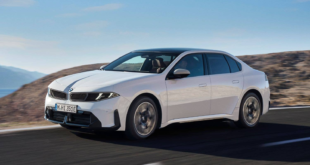
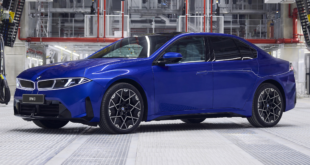
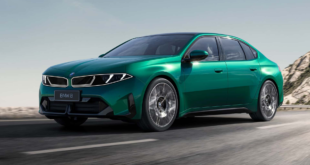
The BMW i3 has pulled into the fast lane of sustainable motoring, marking its arrival as the second model in BMW’s bold Neue Klasse lineup. This saloon is not just another electric vehicle rolling off the production line; it represents a full-throttle commitment to reducing the environmental footprint of every component, from the bonnet to the boot. BMW has engineered this car with a comprehensive lifecycle mindset, targeting decarbonisation at every stage, whether that is sourcing raw materials, assembling the vehicle, or the thousands of miles a driver will clock on the road.
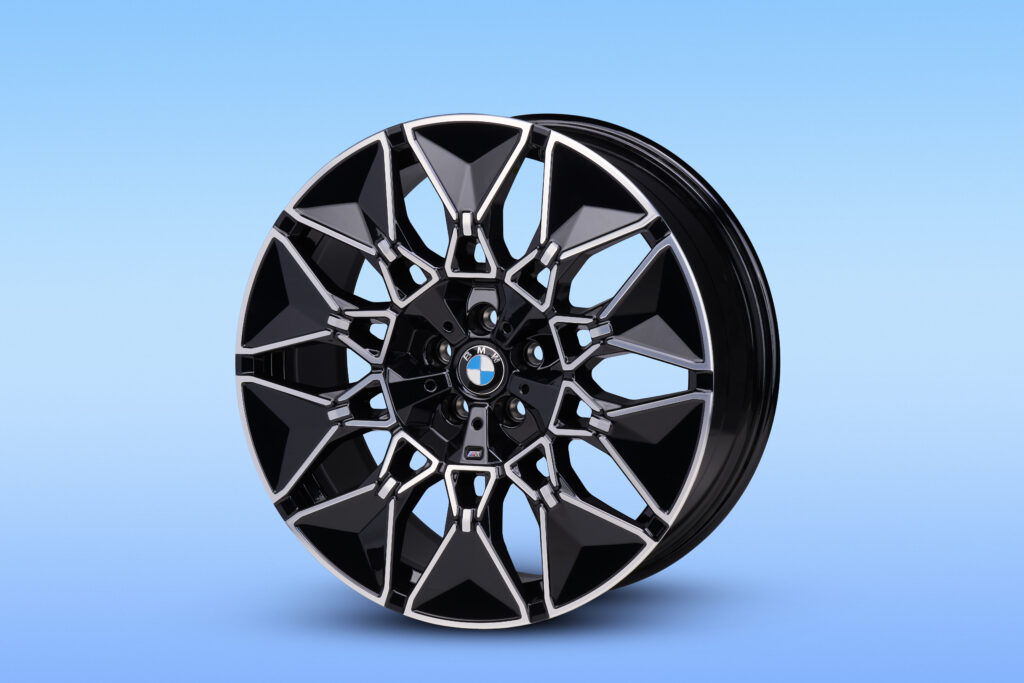
Under the skin, the BMW i3 is packed with intelligent material choices that set a new benchmark for the segment. The front bumper trim, for instance, incorporates 30 per cent recycled plastic, and the total number of different materials in the bumper assembly has been slashed from 15 to just 7 compared to the outgoing 3 Series. That streamlined approach means roughly 85 per cent of the bumper’s plastic is now recyclable, nearly double the previous figure. Inside the cabin, the Econeer seat covers in the Essential trim are crafted from a recyclable textile composite, with the upper fabric made entirely from recycled PET. It is the kind of meticulous engineering that turns a car into a showcase for circular design.
The powertrain and battery technology tell an equally compelling story. BMW’s Gen6 battery cells use secondary cobalt, lithium, and nickel, while renewable energy powers the production of both anode and cathode materials. The result is a staggering 33 per cent reduction in carbon emissions per watt-hour compared to the previous generation’s cells. Elsewhere, cast aluminium components such as the front and rear knuckles contain 80 per cent secondary material, and the rear electric motor housing is built from up to two-thirds recycled aluminium. Even the engine compartment cover features 30 per cent recycled maritime plastic sourced from discarded fishing nets and ropes.

On the road, the BMW i3 benefits from BMW’s long-standing EfficientDynamics package, which fine-tunes aerodynamics, lightweight construction, rolling resistance, and overall energy management to squeeze every possible mile from each charge. Depending on the drivetrain variant and charging source, the car can overtake a comparable combustion-engined model in total lifecycle carbon emissions within just one to two years of ownership. That is a rapid payoff for drivers who want their motoring to leave a lighter tread on the planet.
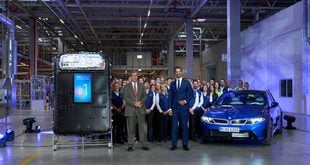
Production of the BMW i3 is set to begin at BMW Group Plant Munich in 2026, a facility that has undergone a sweeping modernisation over the past four years and sources 100 per cent of its external electricity from renewable energy. By 2027, the Munich plant will switch exclusively to fully electric Neue Klasse production. With transparent carbon footprint reporting validated by TÜV and accessible through the My BMW app, the BMW i3 is not merely a car that talks a green game it delivers one, driven by engineering rigour and a relentless pursuit of cleaner mobility.