 BMW.SG | BMW Singapore Owners Community The Ultimate BMW Community – Established Since 2001

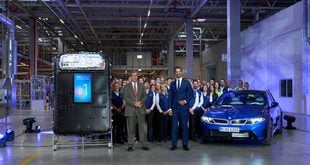
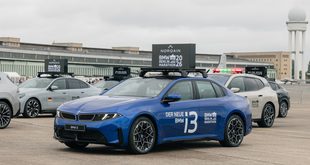
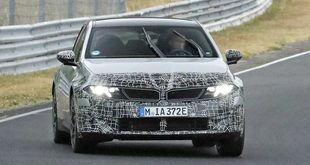
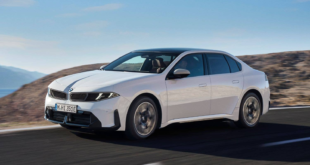
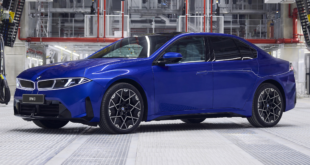
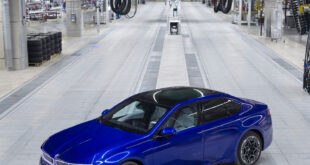
BMW is reshaping its heartland. From the second half of 2026, Munich will pivot from building the combustion 3 Series to the Neue Klasse-based i3, a clean-sheet electric saloon that signals where the brand is heading. After five decades of the 3 Series calling the main plant home, the baton passes to an EV designed from the ground up for efficiency, packaging and software—an unmistakable change of guard.

The switch doesn’t sideline the petrol 3 Series; it simply changes postcode. While BMW hasn’t stamped it in ink, the smart money points to Dingolfing, the company’s biggest European plant and current home to heavy hitters like the iX, 7 Series and 8 Series. That move would let Munich double down on next-gen electric know-how while a proven facility keeps the 3 Series line running at full song for traditionalists and hybrid buyers.

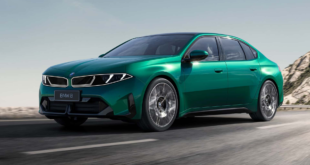
Crucially, the incoming i3 won’t be a re-heated adaptation. It rides on the EV-only Neue Klasse platform rather than the flexible CLAR toolkit used by the eighth-gen 3 Series. Expect the i3 to carry forward the tech seen on the new iX3: an 800-volt electrical system, bespoke battery cells, silicon-carbide power electronics and compact, efficient drive units—all aimed at longer range, stronger repeat performance and fast, consistent DC charging.
For buyers, it means choice without compromise. The 3 Series continues with rear- or all-wheel drive in combustion and plug-in hybrid forms, while the i3 arrives as the purpose-built electric alternative with fresh proportions and a digital-first cabin. Different toolkits, shared intent: a driver-centred saloon, whether you prefer the thrum of a straight-four or the seamless shove of electrons. Munich’s next chapter is electric, and BMW is making room where it matters most.