 BMW.SG | BMW Singapore Owners Community The Ultimate BMW Community – Established Since 2001

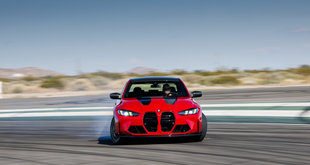
The BMW M3 has just taken one of the deepest engine changes of its life, and you would never spot it on the spec sheet. M Ignite entered production in July, and cars fitted with it are already rolling off the line. Six extra spark plugs. Six extra ignition coils. A raised compression ratio. Variable-geometry turbochargers. The power figure moves by exactly nothing.
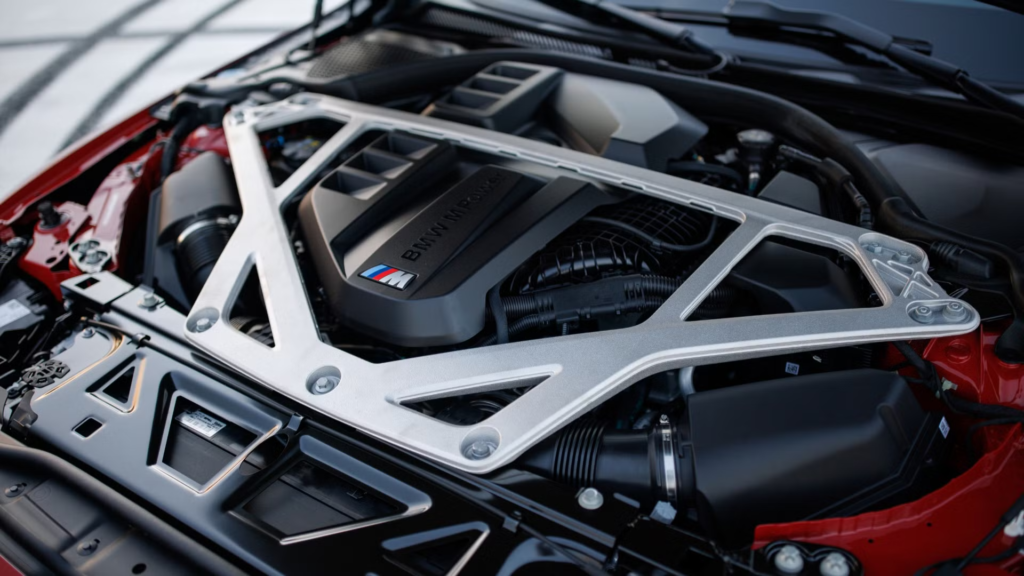
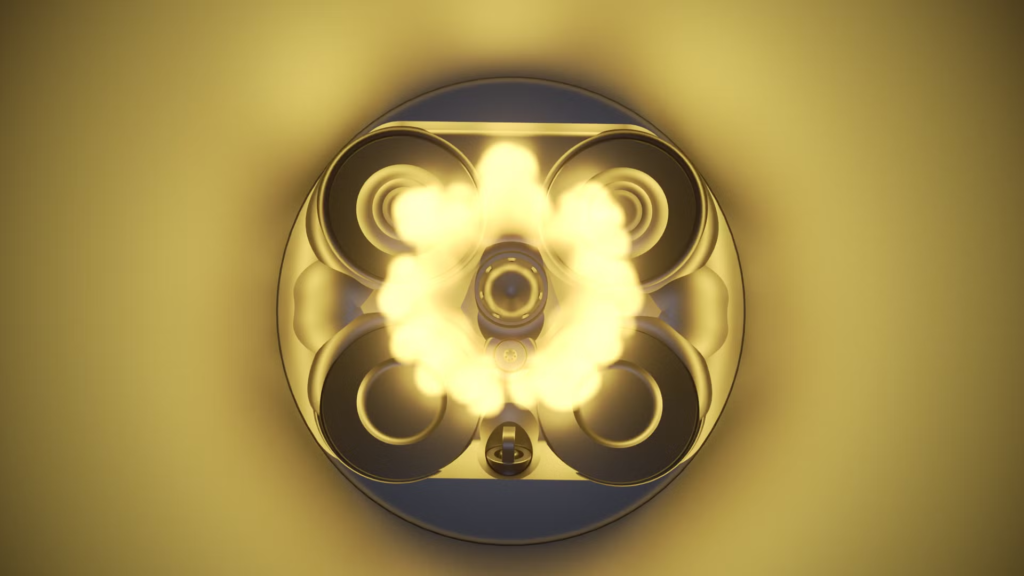
M Ignite is pre-chamber ignition, tailored for the twin-turbocharged 3.0-litre S58 straight-six. Each cylinder gains a small chamber at the top of the head, with its own plug and coil. At low and middling revs, the conventional plug does the work. Wind the engine out, and the pre-chamber takes over. A slug of mixture flows in, the second plug lights it, and jets of flame fire through tiny openings into the main chamber at close to the speed of sound. The charge then ignites from several points at once rather than one. Combustion becomes quicker and far more even.
The reason is regulation. Euro 7 starts biting in November, and BMW says the technology plays a major part in meeting it. The pre-chamber also drops exhaust-gas temperatures and holds off knock, which matters because BMW lifted the compression ratio at the same time. There are fuel savings, though chiefly under heavy load, so think track sessions and derestricted autobahn running. The variable-geometry turbos are the other half of the job. Movable vanes squeeze the exhaust flow at low revs to spin the turbine harder and trim lag, then open up higher in the range to free off back-pressure.
So why no extra output? Because survival is the point. The S58 still runs from 473hp in the M2 and the manual M3 up to 543hp in the M3 CS, M4 CS and M4 CSL. What M Ignite buys is time. BMW reckons it keeps petrol-fired M cars viable rather than forcing a hurried jump to electrification. A new M3 lands next year, and for the first time buyers pick between combustion and electric power. Expect the sharpened S58 to carry the petrol car, quite possibly with any real power increase held back for that moment.
There is a catch worth naming. Complexity is climbing sharply just to stand still. The pre-chamber runs extremely hot, and those tiny openings can coke up over time, which loads fresh stress onto pistons, rings and head gaskets. That is precisely why most manufacturers have kept their distance. Stellantis has now taken the plunge with its Hurricane 4, and Maserati has run the idea in the Nettuno V6 since the MC20. More will follow as the rules tighten. Whether that keeps the combustion M3 alive or simply makes it rarer is the question nobody can answer yet.