 BMW.SG | BMW Singapore Owners Community The Ultimate BMW Community – Established Since 2001

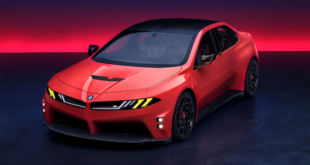
BMW wants sliding one of its M cars to feel easier, and a fresh patent shows how. The filing points to hardware that could one day help a car like the electric M3 break traction on command. Lodged with the German Patent and Trade Mark Office, it describes a way to momentarily lighten the load on the rear axle. Take weight off the rear tyres, and the tail lets go sooner.
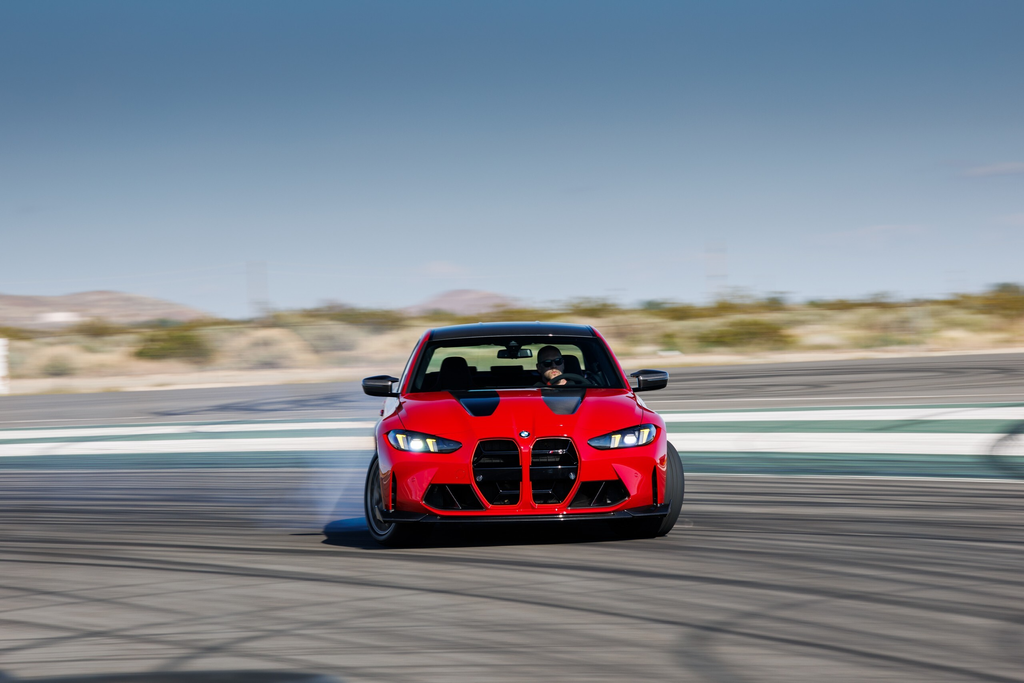
The method leans on the car’s adaptive suspension or active roll control. When the system senses the driver wants to slide, it shifts unsprung mass upward in a quick pulse. That loosens the rear end with far less torque than usual, and at lower speed too. In effect, the suspension gives the tail a nudge rather than relying on the throttle alone.
There is more to it than simply lighting up the rear tyres. According to CarBuzz, which first dug into the documents, the system would keep watch on the car’s speed and trajectory. It could even store steering-angle settings to decide when a driver is allowed to play. That hints at a controlled, track-minded feature rather than a free-for-all.
A dose of restraint would be wise. Models such as the M2, M3 and M4 are already happy to swing their tails in the right mode. Fencing the system to circuits and private roads would keep the antics away from roundabouts and residential streets. BMW is smart enough to know where this sort of tech belongs.
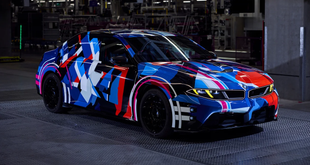
Whether it reaches production is another matter. Patents often stall over cost, complexity or safety. Still, the timing is telling. The electric M3 is coming with quad motors and clever torque vectoring, so a suspension trick like this could slot neatly into its handling suite. For now, it stays an intriguing glimpse at how future M cars might slide.