 BMW.SG | BMW Singapore Owners Community The Ultimate BMW Community – Established Since 2001

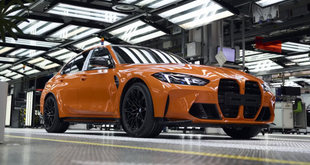
BMW has confirmed it will keep the current M3 rolling off the line until late summer 2027, but the headline barely scratches the surface. The real intrigue lies in why the firm needs the extra time. Stretching production of this combustion-powered performance saloon is less about churning out more cars and more about bridging a tricky gap between the M3 era we know and whatever comes next. Behind the scenes, BMW is juggling a sweeping factory overhaul, a fresh wave of electric models, and what may prove the closing chapter for the traditional manual M3.
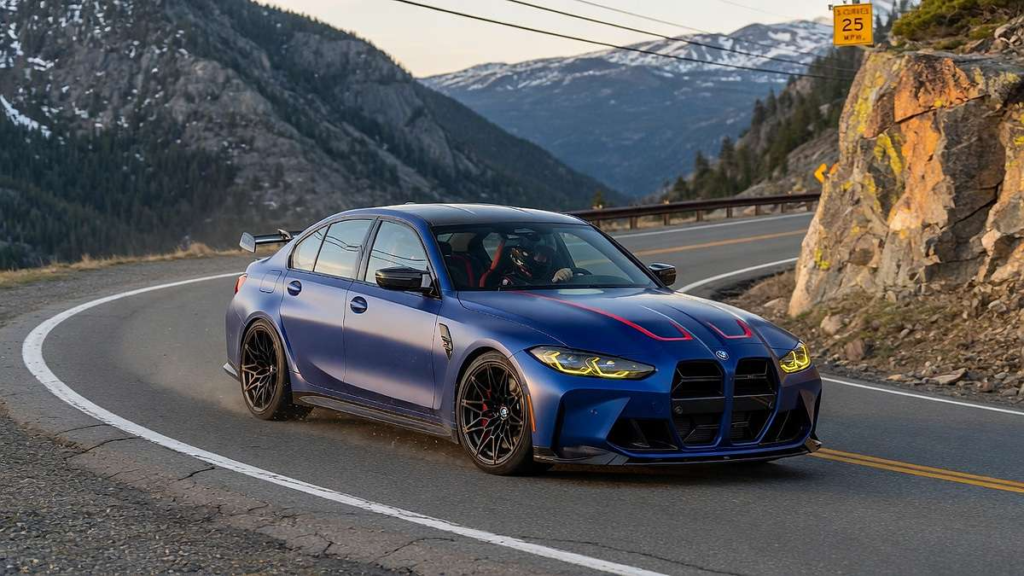
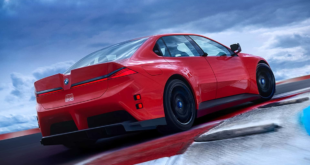
On paper, this reads as a simple lifecycle extension, but BMW does not prolong high-performance runs without good reason. According to BMW Blog, the move pushes US output into late summer 2027, giving the current generation more breathing room before its successor lands. The next petrol M3, codenamed G84, is not due until summer 2028. That leaves a window of roughly 18 months with no new combustion M3 on sale at all, which raises the obvious question of why the company needs such a long runway in the first place.
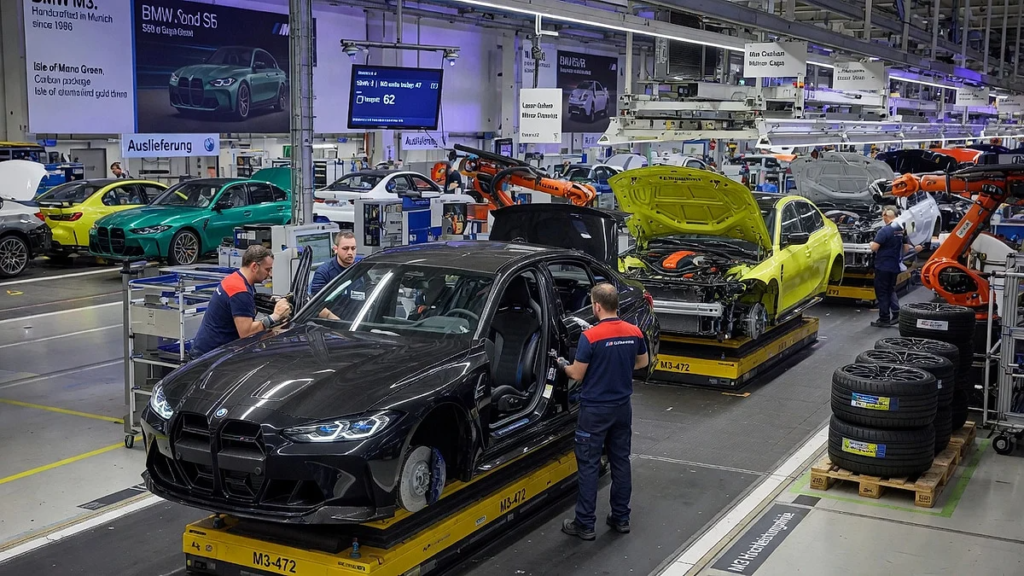
The answer points straight at the Neue Klasse transition. BMW is in the throes of shifting onto this new architecture, a change that will shape the next generation of both petrol and electric vehicles. Such a leap demands far more than fresh designs. It means rethinking factories, supply chains, electronics, software and the entire production sequence. Once those timelines collide, something has to give, and in this case, it is the M3 cycle that stretches to absorb the pressure of a carefully timed handover between the outgoing combustion era and a rapidly expanding electric line-up.
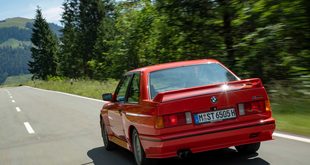
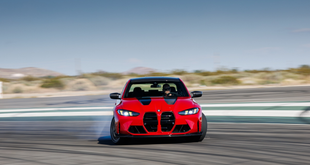
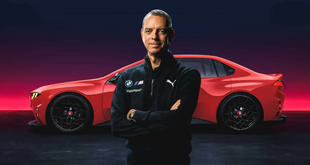
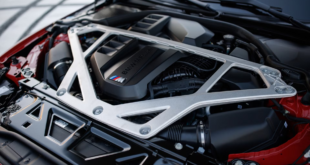
For decades, the M3 followed a clean formula of inline-six power, rear-biased balance and driver-focused engineering. That recipe still holds, but BMW M now operates in a far more tangled landscape, splitting performance across petrol engines, hybrid systems and fully electric platforms. The current generation, particularly in manual form, stands as one of the last high-performance saloons where a three-pedal layout remains part of the conversation rather than a relic. BMW M boss Frank van Meel has long cautioned that the manual gearbox faces a difficult future, a warning that now feels increasingly accurate as the brand edges towards its next architecture.
There is a manufacturing signal buried here, too. BMW’s Munich plant will switch exclusively to electric vehicles by the end of 2027, meaning the next M3 will not be built there at all. Production timing like this often reveals retooling schedules still in progress and new platforms not yet ready to take over. For buyers, the practical upshot is more time to grab the current car, likely stronger final-year demand, and a transition-era model that could gain real significance down the road. History suggests these in-between cars often become the most cherished, much as the naturally aspirated E46 is celebrated today as the last of its kind before forced induction arrived.