 BMW.SG | BMW Singapore Owners Community The Ultimate BMW Community – Established Since 2001

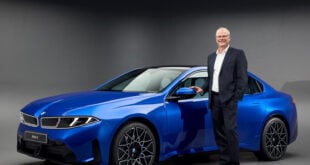
BMW M is preparing to switch its performance playbook to battery power, with fully electric M models arriving from 2027. The aim is simple: keep the brand’s sharp, driver-led character intact while using the new hardware to push handling, traction and response beyond what’s possible with a combustion layout.
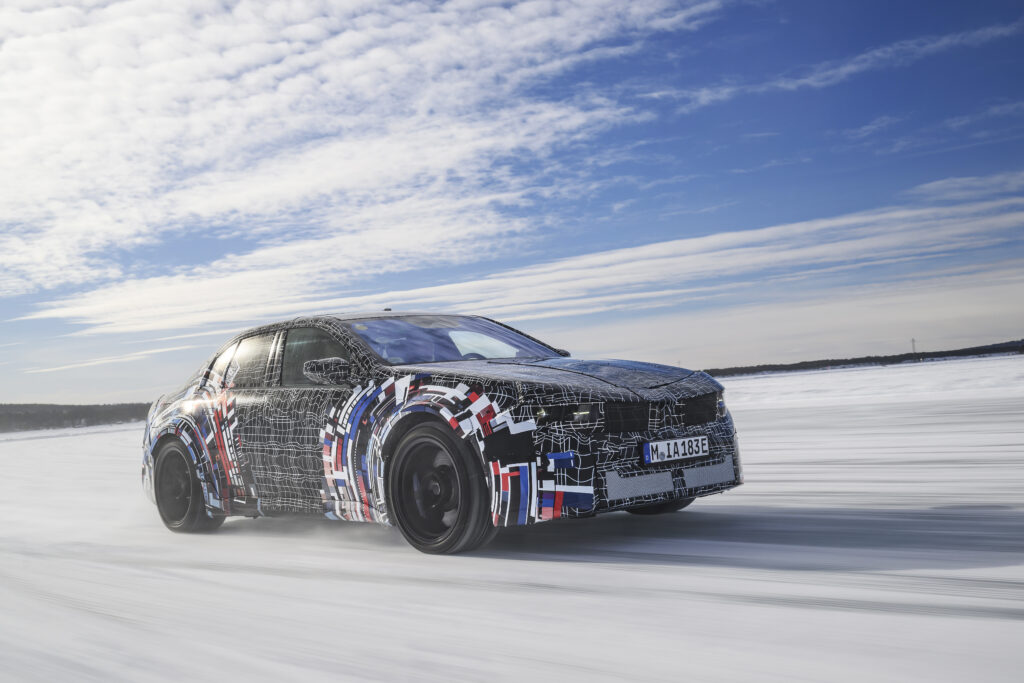
A major part of that step-change is Neue Klasse electronics. Instead of separate systems arguing over milliseconds, BMW says the next cars will run on a centralised control setup powered by high-performance computers, with a dedicated driving-dynamics brain handling the fast stuff. The result should be quicker reactions, tighter integration between chassis and powertrain, and faster software updates as the cars evolve.
Underneath, the headline is a four-motor layout with one electric motor driving each wheel. That opens the door to wheel-by-wheel torque control, meaning the car can apportion drive with real precision when you lean on it through a corner or ask for clean traction on a slippery surface. BMW also says the front axle can be decoupled, allowing a rear-driven feel when conditions suit, while selectable modes, simulated shift steps and a bespoke soundscape add extra layers of driver feedback.
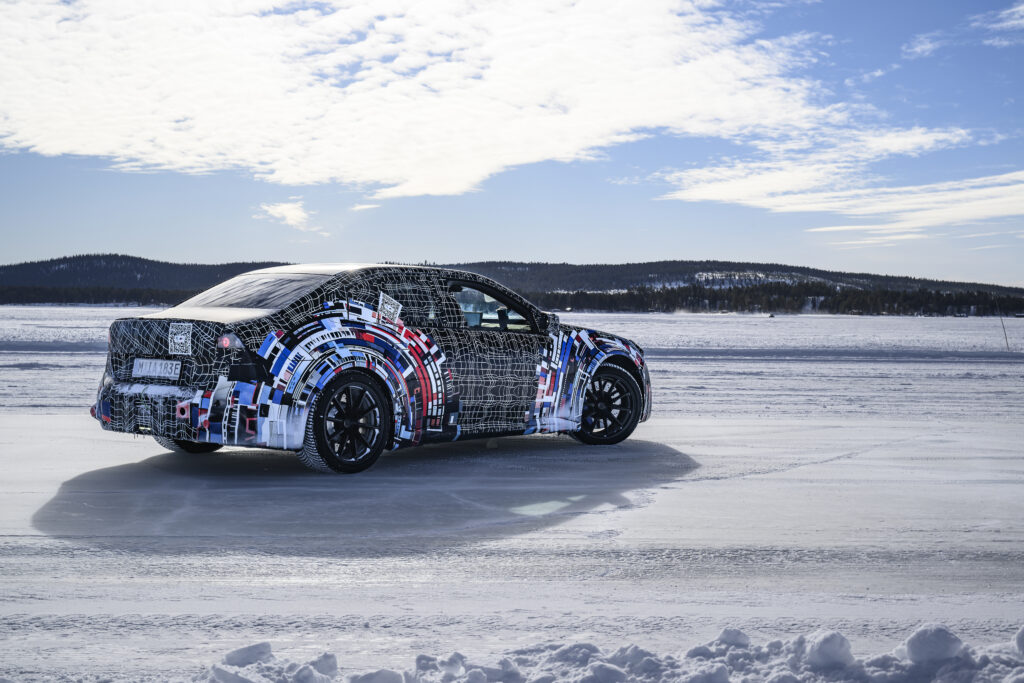
Range and usability are being addressed with 800-volt charging capability and high recuperation potential, backed by a battery and cooling package tuned for repeated hard running. BMW is also leaning into lightweight thinking with natural-fibre elements, drawing on experience from motorsport and targeting lower CO2e compared with traditional carbon-fibre-style parts. If BMW lands the calibration, the next M cars won’t just be fast in a straight line—they’ll be engineered to feel locked-in, predictable and usable every day.