 BMW.SG | BMW Singapore Owners Community The Ultimate BMW Community – Established Since 2001

BMW Group has collected a major nod from the composites world, taking a JEC Composites Innovation Award at JEC World in Paris for production-ready exterior parts made from flax fibres. It’s recognition not for a one-off concept, but for material technology engineered to survive the hard realities of the road and the production line.
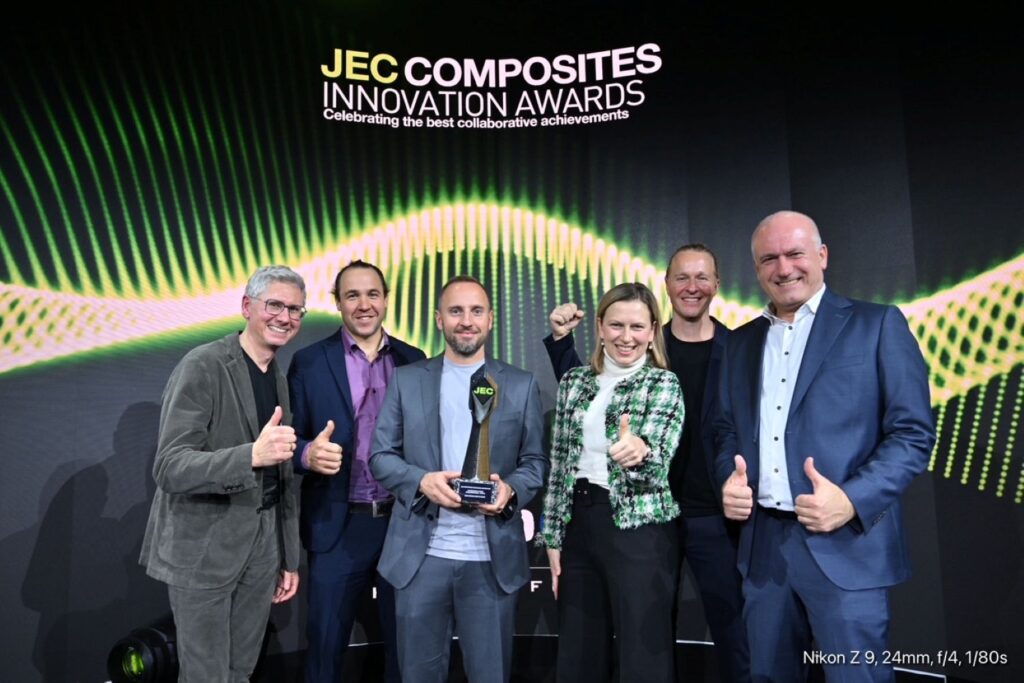
The breakthrough centres on natural-fibre composites being used on visible, series-production components—territory usually dominated by carbon-fibre and other synthetic lay-ups. BMW first flagged this direction in mid-2025, and the award underlines just how far the programme has moved from lab benches to real bodywork.
Getting there took more than a new recipe of fibres and resin. BMW worked alongside Bcomp Ltd., Cobra Advanced Composites Co. Ltd. and PPG Wörwag Coatings GmbH & Co. KG to meet the tough checklist demanded by volume manufacturing: consistent surface finish, stable dimensional control, durable coatings, and the structural confidence you need when the part sits up top in the airflow.
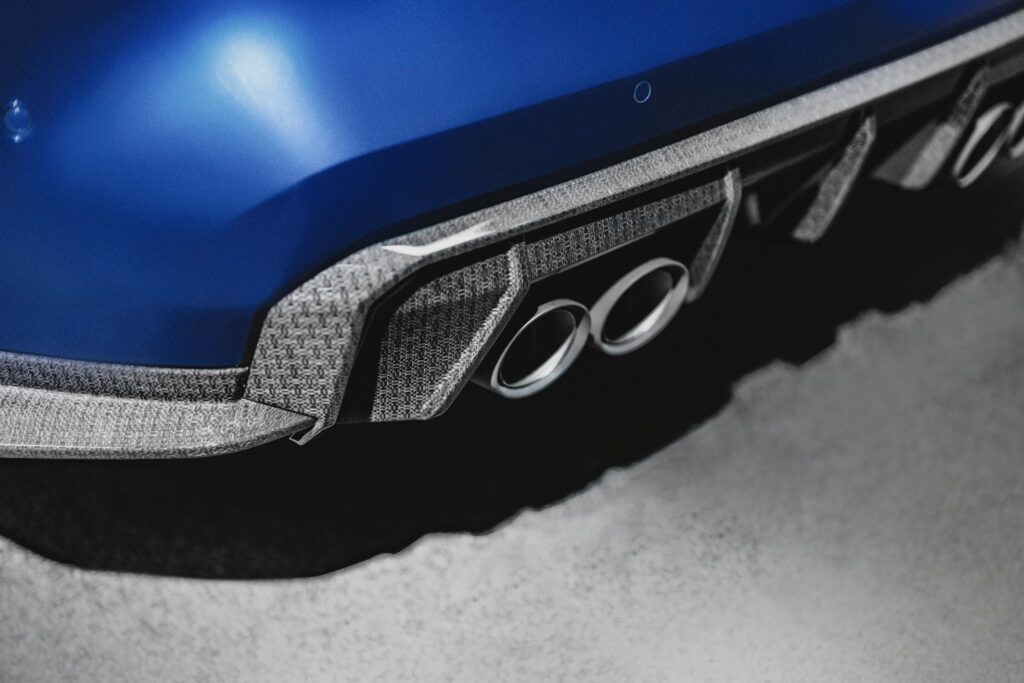
Lightweight construction is a key gain, but the bigger story is the emissions footprint. BMW’s testing indicates these flax-fibre composites can deliver high-grade interior and exterior parts while cutting CO?e compared with conventional approaches. One headline example is the roof: swapping a carbon-fibre roof panel for a flax-fibre alternative can reduce CO?e during production by around 40%, with additional benefits when the vehicle reaches end-of-life handling.
BMW’s materials and lightweight teams frame the award as a marker for what comes next—more sustainable feedstocks, tighter manufacturing processes, and parts that still meet the brand’s requirements for function, mass, and design. In short, it’s a new route to strong, stiff panels that fit like factory metalwork, without leaning so heavily on traditional high-impact composite choices.