 BMW.SG | BMW Singapore Owners Community The Ultimate BMW Community – Established Since 2001

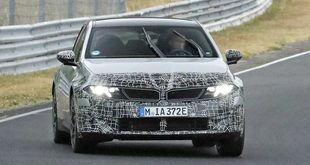
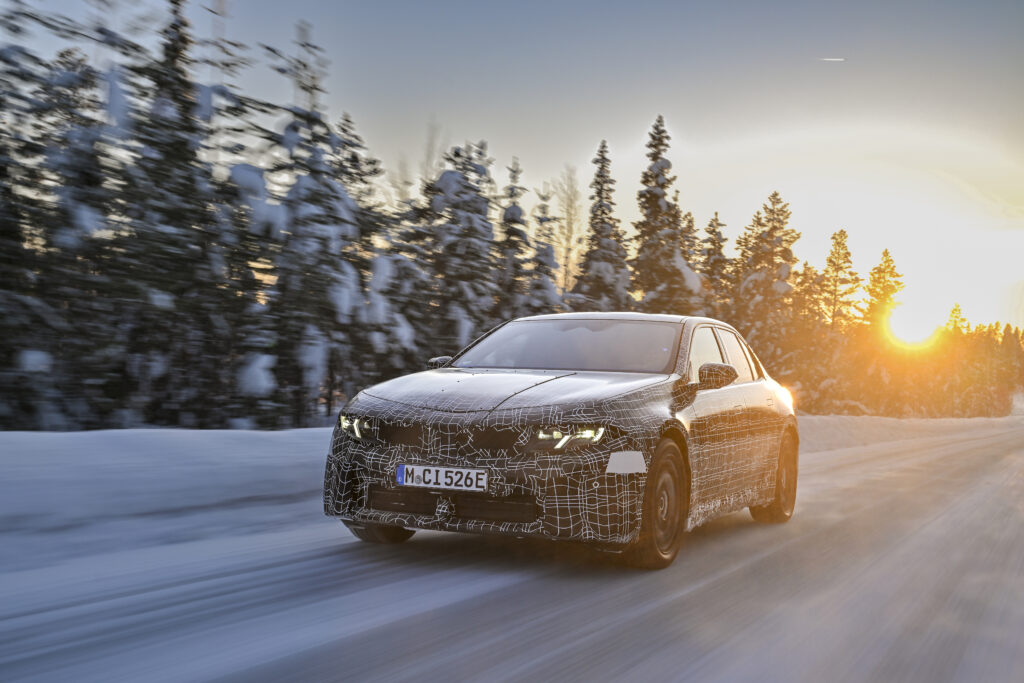
The fully electric BMW i3 is being put through its paces on the frozen roads and icy lakes of Arjeplog, Sweden, as BMW’s engineers push this Neue Klasse sedan towards series-production readiness. Built on five decades of BMW 3 Series heritage, a nameplate synonymous with sharp handling, rear-driven agility and motorway-devouring comfort, the i3 represents a bold new chapter for the brand’s premium midsize segment. Prototypes are currently clocking kilometres in sub-zero conditions at BMW’s dedicated winter test centre, where every component is scrutinised under the harshest weather nature can deliver.
At the core of the i3’s capability sits the Heart of Joy, one of four so-called superbrains underpinning the Neue Klasse architecture. Paired with BMW’s in-house Dynamic Performance Control software, this central control unit orchestrates the powertrain, braking, steering assistance and energy recuperation in one seamless loop. Its reaction speed is ten times faster than any previous BMW system, translating into razor-sharp responses that drivers can feel the moment they turn the wheel. Mike Reichelt, Head of Neue Klasse BMW, has noted that the i3 carries the unmistakable DNA of the 3 Series while stretching the boundaries of what a battery-electric saloon can achieve.
Winter testing in Sweden’s extreme north is far more than a tradition. It is the proving ground where low-friction surfaces of snow and ice expose every weakness in a vehicle’s electronic stability and traction management. Engineers can reproduce identical grip conditions lap after lap, allowing them to calibrate the interplay between the twin electric motors with surgical precision. The result is a car that remains planted, composed and confidence-inspiring whether accelerating out of a frost-bitten bend or cruising a powder-dusted carriageway at speed.
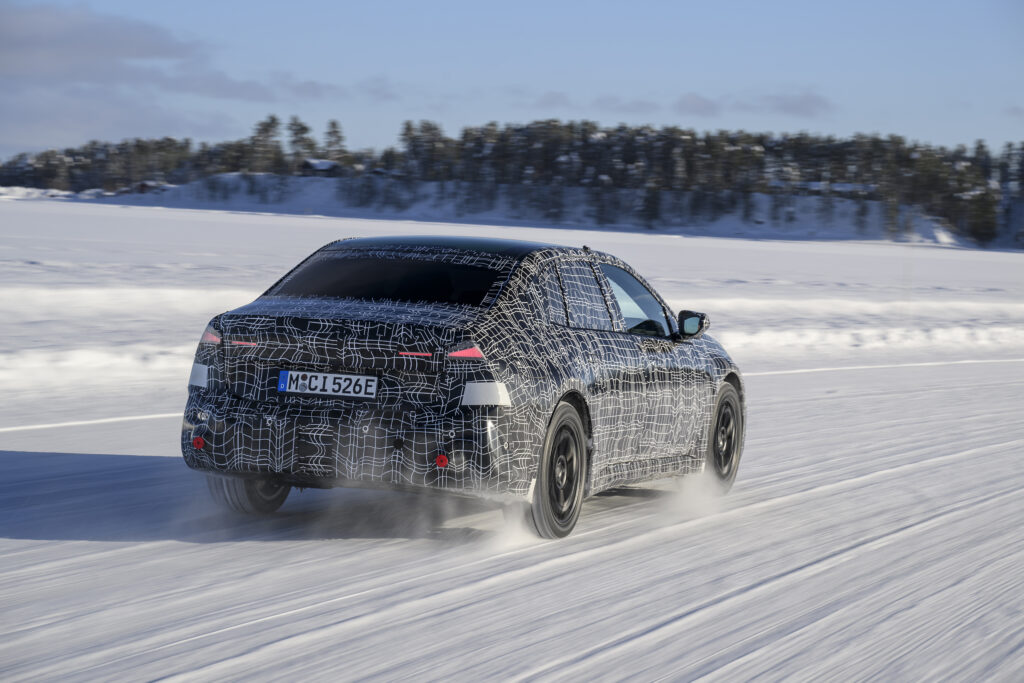
One standout feature refined during these Arctic sessions is the Soft-Stop function, which harnesses the instant torque control of the electric motors to deliver what BMW describes as the smoothest braking behaviour in 3 Series history, free of judder and brake noise. Even when the i3 is driven hard towards its limits, the Heart of Joy minimises intrusive stability interventions, producing cornering behaviour that feels consistent, predictable and deeply reassuring. This precision also unlocks greater efficiency, because the system can recuperate energy more aggressively through corners without unsettling the chassis.
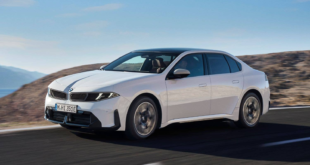
With its design premiere set for 18 March 2026 and production slated for the second half of the year, the BMW i3 is rapidly closing in on its public debut. Powered by sixth-generation eDrive technology running on an 800-volt architecture and driven by a dual-motor setup combining EESM and ASM units, this saloon is engineered to rewrite the rulebook for electric performance in its class. If the frozen lakes of Arjeplog are anything to go by, the i3 is shaping up to be one of the most compelling driver’s cars BMW has ever plugged in.