 BMW.SG | BMW Singapore Owners Community The Ultimate BMW Community – Established Since 2001

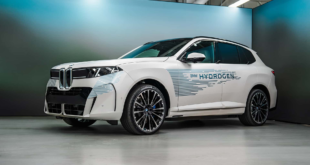
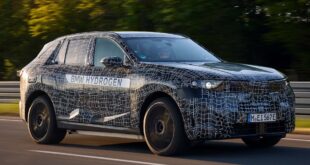
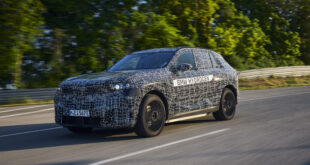
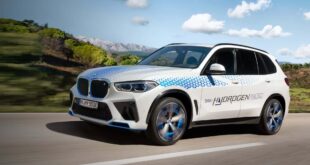
The BMW iX5 Hydrogen has moved a big step closer to the showroom. BMW’s first hydrogen-powered production model is now deep into a broad testing programme, while a fresh assembly phase for its third-generation fuel cell system gets under way in Munich. In parallel, the engine plant in Steyr, Austria is being readied for series manufacture.

Engineers are focused on how the whole drivetrain behaves as one. The fuel cell stack, the high-voltage battery, the electric motor, the Hydrogen Flat Storage tank and the Energy Master control unit all have to work in concert. “Our ambition for the BMW iX5 Hydrogen is clear. A true BMW, with Sheer Driving Pleasure,” said Josef Hochreiter, who leads hydrogen vehicles at the BMW Group. Higher energy recovery is already lifting the system’s overall efficiency.
Performance is not being left on the table. BMW wants the car to feel every bit as brisk as the battery-powered iX5, with a sprint from 0 to 100 km/h in under five seconds. Testing is being carried out under tough environmental and load conditions to confirm the drivetrain holds its full output at all times. The hallmark rear-driven poise remains the target throughout.

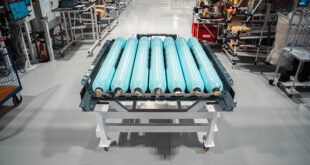
Away from the road, the third-generation fuel cell system is entering a new build stage at BMW’s Hydrogen Competence Centre in Munich. The stack is co-developed with Toyota, and future volume production is bound for Plant Steyr, with further components made in Landshut. The payoff for drivers is a targeted range of up to 750 kilometres on the WLTP cycle, a refill in under five minutes and locally emission-free running.
The iX5 Hydrogen sits at the heart of BMW’s technology-open thinking. When the new X5 arrives, buyers will be able to choose battery-electric, plug-in hybrid, petrol, diesel or hydrogen power under one roof. Hydrogen earns its place where long range, quick refuelling and flexibility matter most.