 BMW.SG | BMW Singapore Owners Community The Ultimate BMW Community – Established Since 2001

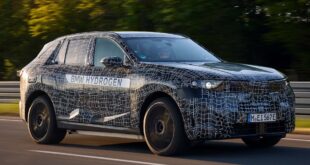
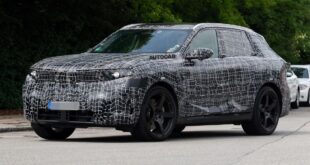
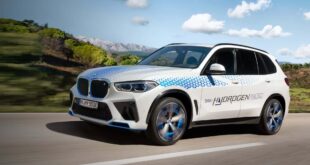
The BMW iX5 Hydrogen is proof that Munich has not written off the fuel cell just yet. While rivals pour everything into batteries, BMW keeps developing its hydrogen-powered SUV, with the next version pencilled in for 2028. The headline is a clever new tank layout that frees up cabin space and stretches the driving range well beyond the current car.

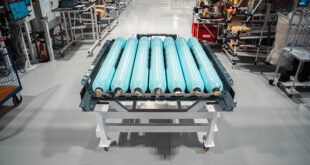
The magic sits in a system BMW calls Hydrogen Flat Storage. Rather than a pair of bulky cylinders, it uses several high-pressure tanks connected in parallel and mounted within a tough metal frame. The packaging is far tidier. Crucially, the tanks no longer intrude into the interior, so passengers keep their room. BMW insists the result is a true X5 with no awkward compromises.
The numbers back up the redesign. Seven cylinders hold at least seven kilograms of hydrogen, up from six in today’s model. That extra fuel translates into serious range. BMW quotes up to 750km on the WLTP cycle, a big leap that puts the SUV on level terms with many battery electric flagships for long-haul work.

The powertrain itself remains refreshingly simple to grasp. The fuel cell draws in hydrogen from the tanks and oxygen from the outside air, then combines them to generate electricity on the move. That current feeds the electric motors, and the only tailpipe emission is water vapour. Best of all, topping up takes just three to four minutes, roughly the same as filling a petrol car.
BMW’s view is that hydrogen and batteries need not be rivals. Fuel cells suit drivers who cover big distances and hate waiting at chargers, while batteries still make sense for shorter urban runs. With the iX5 Hydrogen, Munich is hedging its bets and keeping the technology alive. For anyone put off by charging queues, this hydrogen SUV could be the answer they have been waiting for.