 BMW.SG | BMW Singapore Owners Community The Ultimate BMW Community – Established Since 2001

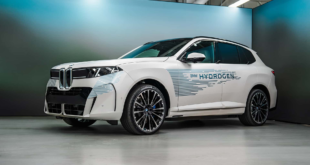
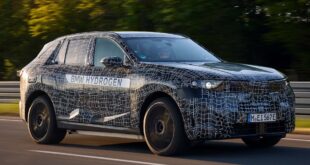
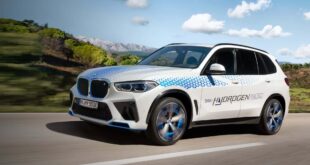
The new BMW iX5 Hydrogen is rolling into view with a bold claim under its bodywork: up to 750 kilometres of range on a single fill of hydrogen, paired with refuelling times of under five minutes. At the core of this leap sits BMW’s newly developed Hydrogen Flat Storage system, a compact arrangement of seven carbon-fibre reinforced high-pressure tanks housed within a sturdy metal frame. Rather than relying on standalone pressure vessels, the design connects multiple chambers into one sealed unit governed by a central main valve, storing at least seven kilograms of hydrogen at 700 bar. The innovation has already generated several patent applications from BMW and signals a serious commitment to hydrogen as a viable powertrain for everyday driving.

What makes this storage layout particularly clever is how neatly it slots alongside BMW’s Gen6 high-voltage battery without stealing a single centimetre of cabin space. The flat tank architecture means that hydrogen, battery-electric, plug-in hybrid and conventional variants of the new X5 can all roll down the same production line using shared geometrical specifications for their energy storage and drive components. That level of flexibility reduces manufacturing complexity, lowers build costs and keeps the door wide open for scaling hydrogen models across the broader BMW lineup from 2028 onwards.
Beneath the bonnet and behind the rear axle, the engineering story continues. The BMW iX5 Hydrogen pairs its new storage system with the latest Gen3 fuel cell technology, which BMW says is more efficient and more powerful than any previous generation. That powertrain feeds into the marque’s new Heart of Joy drivetrain and chassis control software alongside BMW Dynamic Performance Control, ensuring the hydrogen-fuelled SUV still delivers the sharp, responsive handling that drivers expect from any vehicle wearing the roundel badge.
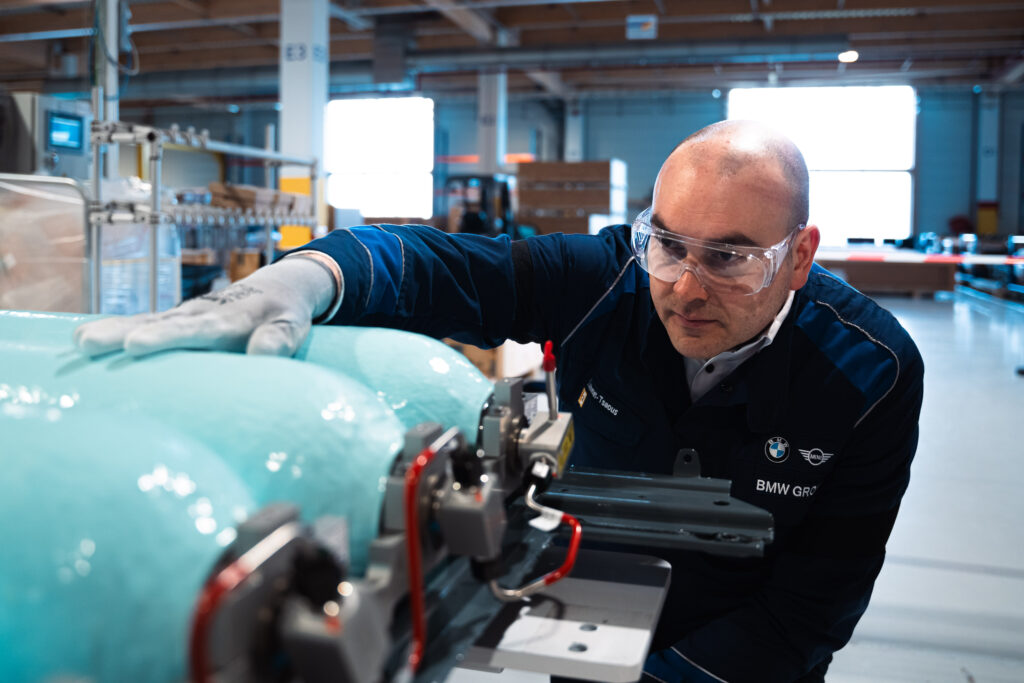
BMW’s broader strategy frames hydrogen not as a rival to battery-electric vehicles but as a complementary option that widens the net. Hydrogen enables long-distance travel with rapid turnaround at the pump, diversifies energy sources and eases reliance on a single raw material supply chain or charging infrastructure. By weaving fuel cell technology into the new X5 platform, the company is betting that customers want choice and that a technology-open approach will pay dividends as refuelling networks continue to expand across key markets.
Development of the BMW iX5 Hydrogen’s powertrain and tank system has received backing from the German Federal Ministry of Transport through the HyPowerDrive project, with additional support from the state of Bavaria. That institutional investment underlines the strategic importance Germany places on hydrogen mobility and gives BMW a runway to refine the technology before full-scale series production begins. With five distinct drive variants sharing a single platform, the new X5 is shaping up to be one of the most versatile vehicles in the premium SUV segment when it reaches showrooms.