 BMW.SG | BMW Singapore Owners Community The Ultimate BMW Community – Established Since 2001

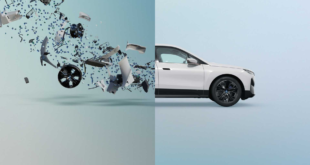
With the new BMW X5, the BMW Group is rolling its whole-life sustainability playbook onto yet another model in the range. The thinking is simple but far-reaching, tracking the carbon footprint at every stage a car passes through. That means scrutinising the supply chain, the factory floor, the miles on the road and the moment the vehicle is finally recycled. By treating the X5 as a complete lifecycle rather than a single moment on the forecourt, the company aims to trim emissions wherever they hide.
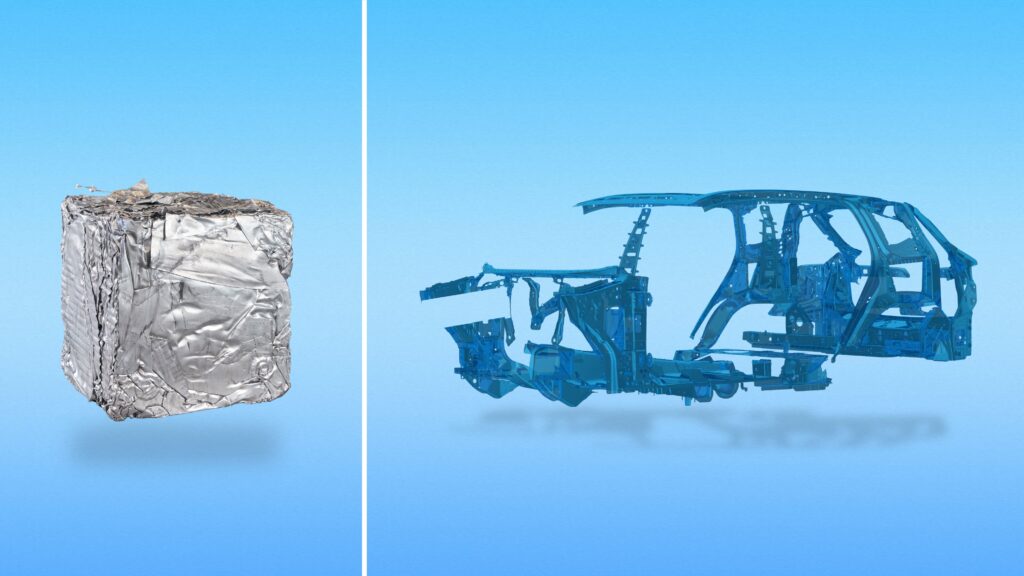
The supply chain is where the heavy lifting begins. By leaning hard on renewable energy, recycled content and smarter processes, the engineers cut the X5’s carbon emissions by roughly 40 percent during development alone. Steel plays a starring role here. Around half of the flat steel in the body is electric arc furnace steel with a high share of secondary material, smelted using renewable power. That achievement rests on long-standing ties with local suppliers in North America, who feed the production line with cleaner metal.
Recycled content runs deep into the hardware, not just the trim. Aluminium suspension parts such as the wheel rims, swivel bearings, wheel carriers, rear axle supports, and brake callipers are forged using renewable energy at both the electrolysis and production stages. The doors carry 35 percent recycled and closed-loop aluminium drawn from the Spartanburg press shop, while the headliner fabric spins its yarn from fully recycled PET. In the battery-electric iX5 60 xDrive, around a third of the entire car, some 940 kilograms, is made from secondary raw materials, helped by Gen6 battery cells that shave roughly 28 percent off the carbon per watt-hour compared with the older Gen5 unit.
Once the X5 is on the move, the EfficientDynamics toolkit keeps the figures falling. Sharper aerodynamics, lightweight construction, low rolling resistance tyres and clever energy management all pull in the same direction, as they have across BMW drivetrains since 2007. The fully electric iX5 also inherits the in-house “Heart of Joy” control stack, which delivers smooth, confident drivability and a seamless stop. Crucially, it harvests more energy through recuperation in far more situations, right down to a standstill. Stack up all these savings, and the iX5 60 xDrive overtakes a comparable combustion model on lifetime emissions after only one to two years of driving.
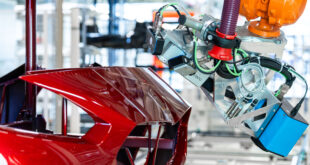
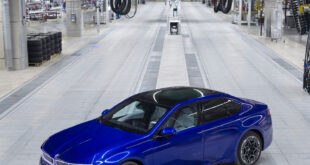
The clean-up reaches right back to the assembly hall at Plant Spartanburg, the group’s largest site, where every kilowatt of external power now comes from renewable sources. Between 2006 and 2025, energy used per car fell by 66 percent and landfill waste dropped by 88 percent. The new high-voltage battery plant at nearby Woodruff runs without fossil fuels in normal operation. To keep everyone honest, BMW will publish a TÜV-validated Product Carbon Footprint for the X5 alongside its launch, laying bare both the figures and the method behind them.