 BMW.SG | BMW Singapore Owners Community The Ultimate BMW Community – Established Since 2001

The BMW B58 has become the undisputed star of automotive social media, dominating TikTok comment sections and Instagram reels with an almost cult-like following that shows no signs of slowing down. Scroll through any car-related feed, and you will inevitably stumble upon a stock-looking 3 Series pulling up to a dyno or drag strip, laying down numbers north of 500 horsepower on little more than a software tune and a downpipe, while the comments erupt with variations of “B58 goes crazy.” Videos like this one on TikTok capture the phenomenon perfectly. Even on posts that have nothing to do with BMW, self-declared enthusiasts find a way to steer the conversation towards this turbocharged inline-six. The hype might look like pure internet culture on the surface, but scratch beneath the memes and you will find an engine whose fame is built on genuinely formidable engineering.
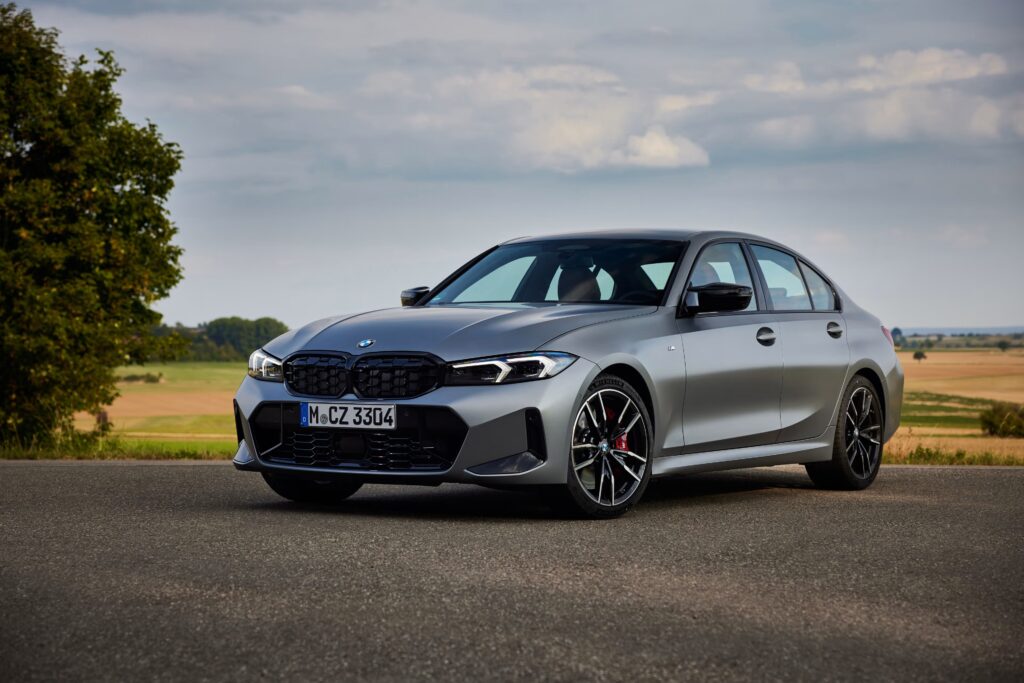
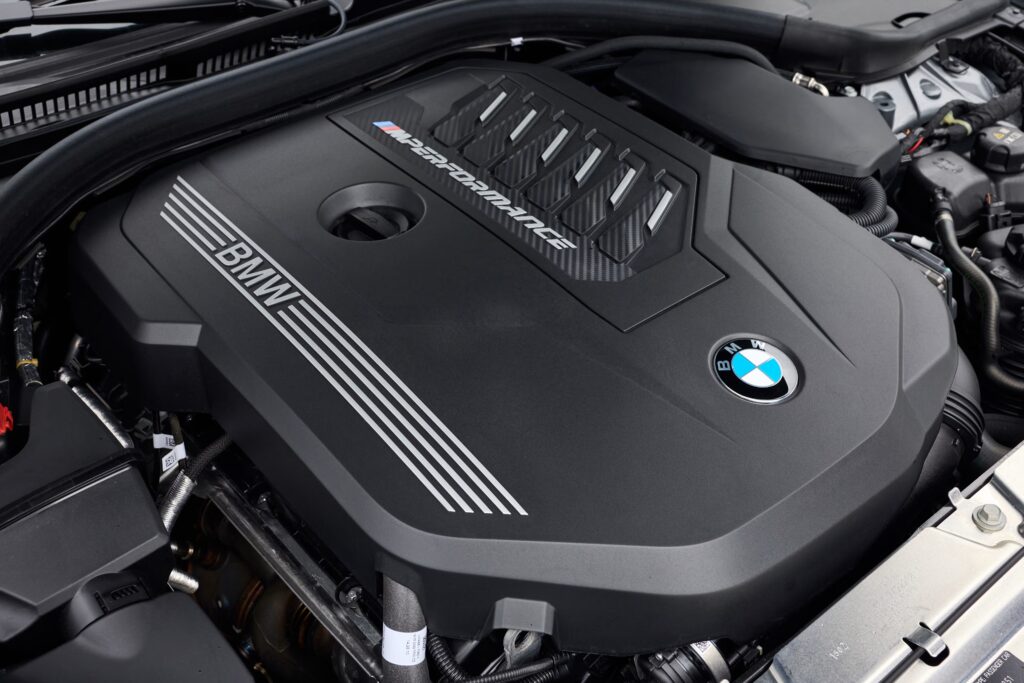
Introduced in 2015 as the successor to the capable N55, the B58 is a 3.0-litre turbocharged straight-six that BMW refined in almost every meaningful area. It retained the aluminium head and block, dual overhead camshafts, variable valve timing and variable valve lift of its predecessor, but gained a closed-deck block design, higher compression, an extra 19 cc of displacement, a twin-scroll turbocharger and a more efficient water-to-air intercooler. The result is an engine that powers everything from the 340i and Z4 to the Toyota GR Supra and the Ineos Grenadier. In its most potent factory configuration, found in models like the M240i, it produces 382 horsepower and 369 lb-ft of torque, but what makes the B58 truly special is just how much further it can go.
The engine’s reputation as a tuning powerhouse draws inevitable comparisons to the legendary Toyota 2JZ-GTE, the twin-turbocharged inline-six that achieved mythological status through decades of abuse at the hands of aftermarket builders who extracted 600, 700 and even 1,000-plus horsepower on completely stock internals. The B58 follows a remarkably similar blueprint, arriving from the factory with a forged crankshaft and forged connecting rods that give it a structural resilience far beyond what its standard power figures suggest. Enthusiasts regularly report 450 to 500 horsepower from a simple ECU remap alone, while bolt-on modifications like a cold air intake, high-flow downpipe and upgraded intercooler push output further still. At the extreme end, tuners have surpassed 700 horsepower using upgraded turbochargers while still relying on the factory bottom end, a feat that cements the B58’s credentials as a modern equivalent of Toyota’s iconic straight-six.
A significant part of the engine’s appeal lies in the cars it powers and how attainable they have become. Second-hand B58-equipped models, including the G20-generation 340i and the A90 Toyota GR Supra, now circulate on the used market at a level that ambitious young enthusiasts can realistically target with disciplined saving. That accessibility mirrors the same grassroots energy that once fuelled driveway builds on muscle cars and Japanese sport compacts, giving a new generation a gateway into car culture backed by a powertrain that genuinely rewards modification. Prospective buyers should, however, go in with open eyes. The B58 carries some known issues typical of modern BMW engines, including valve cover and cylinder head gasket concerns, coolant leaks and oil filter housing failures that can lead to costly repairs if left unchecked.
Legendary engines do not earn their status through marketing alone. They prove themselves through years of documented modification, real-world abuse and community-driven experimentation that no factory test programme can replicate. The Toyota 2JZ took decades to reach its iconic standing, but the BMW B58 is closing that gap at speed, propelled by a hyper-connected world where every dyno pull and drag pass is captured, shared and debated in real time. The memes and viral clips may be what first draw attention, but the substance beneath them is real. BMW’s turbocharged six-cylinder is a genuine modern tuning icon, and its journey from Bavarian production line to internet stardom is one of the most compelling engine stories of this generation.