 BMW.SG | BMW Singapore Owners Community The Ultimate BMW Community – Established Since 2001

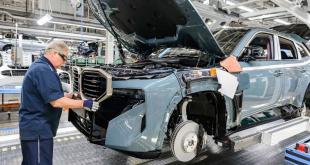
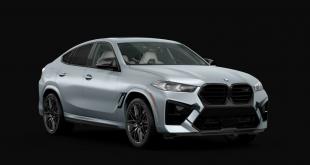
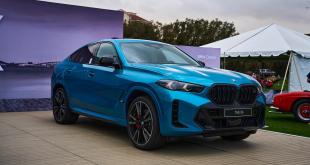
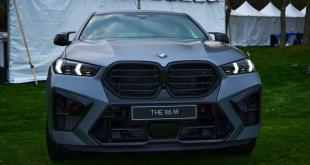
Back in 2019, BMW wheeled out an X6 wrapped in Vantablack, and the finished car looked less like a vehicle than a hole punched straight through reality. The coating, engineered by Surrey NanoSystems in the UK, drinks up 99.965 percent of light, so much that the eye loses every contour and reads the bodywork as a flat black silhouette. Plenty of enthusiasts hoped BMW would slot the option onto the order sheet and let buyers tick it in the showroom. That moment never arrived, because the paint was simply too delicate for life on the road.
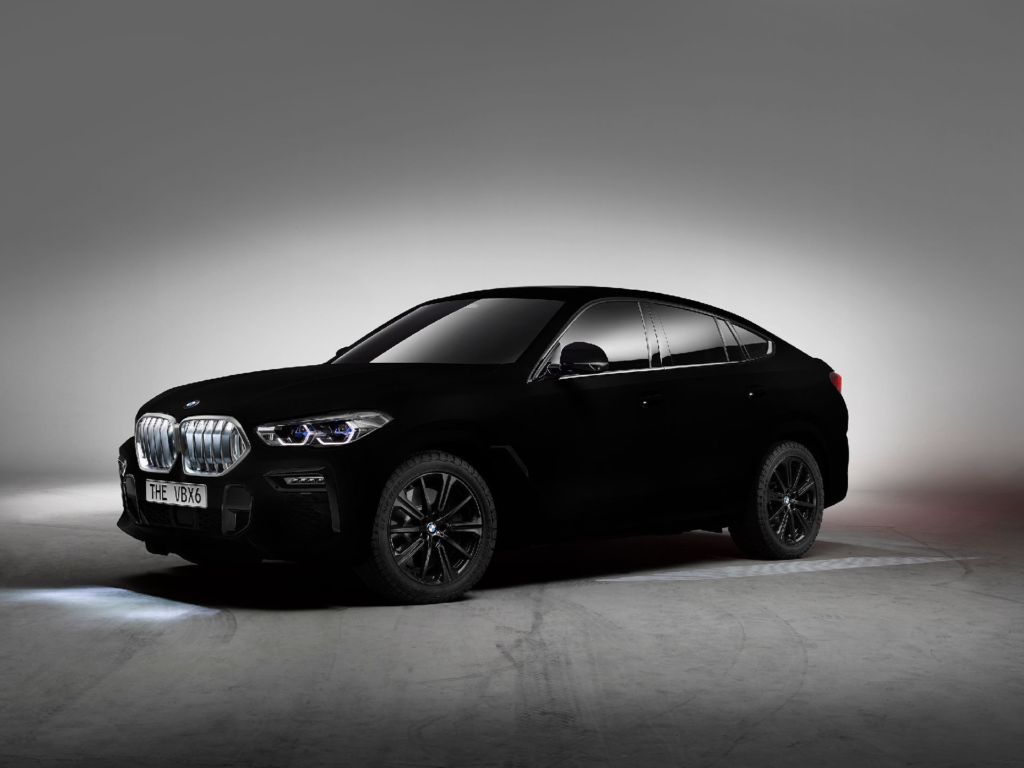
Now, a team in China reckons it has cracked the problem with a coating that nearly matches Vantablack yet can be produced at scale. The original recipe relied on billions of vertically aligned carbon nanotubes, a material far too fragile to survive a car park, let alone a motorway. The Chinese version reworks that chemistry into something a body shop might genuinely apply. According to researchers Zhiwei Liu, Changyi Pan and Jet Cui, it leans on nanoscale carbon black and carbon nanotubes bought in from outside suppliers rather than cooked up in the lab.
The clever part is what happens at the surface. The carbon black particles settle along the length of the nanotubes, raising a jagged landscape of microscopic peaks and valleys that does the real work. The instant light lands, it ricochets down into those valleys instead of bouncing back towards the eye. Blended with deionised water, a dispersant and a defoamer, the mixture cures into a finish that mops up more than 99.90 percent of light, a whisker shy of the famous British coating it chases.

Durability is where this version aims to pull ahead. In testing, the coating shrugged off humidity of up to 95 percent at 40 degrees Celsius, or 104 Fahrenheit, without complaint. The team then submerged painted panels in water for ten straight days, and the samples emerged with no visible signs of wear or peeling. For a colour that has always been treated like wet tissue, that kind of resilience marks a meaningful step forward.
None of this means a blacked-out machine is rolling into your local dealer any time soon. The study was put together chiefly to probe how well the coating sticks and whether it could survive on a car at all, and on those counts, it passed. Before any manufacturer signs it off, though, the paint must still prove itself against UV exposure, scratches, corrosion and the relentless peppering of stone chips that every panel faces. Clear those hurdles, and the road car that looks like a shadow may finally have a shot.