 BMW.SG | BMW Singapore Owners Community The Ultimate BMW Community – Established Since 2001

BMW says it lowered average CO? emissions from the vehicles it sold across the EU plus Norway and Iceland in 2025, dropping to 90.0g/km on the WLTP measure from 99.5g/km the year before. That’s a claimed reduction of about 9.5% year on year, and it keeps the brand moving in the right direction as regulations tighten around the new-car market.

Crucially, BMW notes it beat its 2025 fleet target of 92.9g/km by 2.9g/km, and did so without leaning on pooling arrangements or other flexibility mechanisms. The message from the top is clear: the company wants to be seen delivering compliance through hardware, calibration and efficiency gains across its engine, hybrid and electric line-ups, rather than through accounting tactics.
A bigger share of plug-in models did much of the heavy lifting. BMW reports more than 316,000 electrified deliveries in the region last year, taking electrified vehicles to 41.1% of its EU+2 sales mix. Fully electric models accounted for over 202,000 units, which BMW puts at roughly 26.3% of total sales volume across those markets.
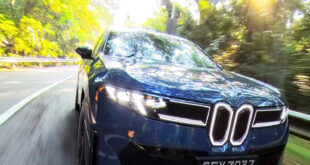
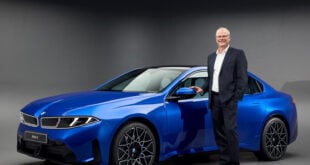
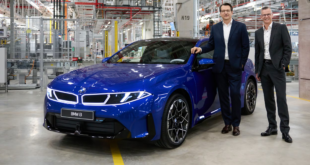
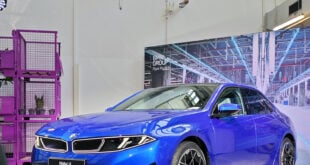
That sets the scene for the next product push, with BMW positioning the iX3 as the first production model of its Neue Klasse era from 2026. In simple terms, the company is betting that more battery-electric metal on the road, alongside increasingly efficient combustion and hybrid options, will keep its fleet figures trending down.
BMW also frames these results as part of a broader lifecycle plan, with a stated aim of reaching net zero no later than 2050 and cutting CO?e by at least 60 million tonnes by 2035 versus 2019 levels. The company’s argument is that the real work happens beyond tailpipes too, with emissions tackled in the supply chain, manufacturing and day-to-day operation as the model range evolves.