 BMW.SG | BMW Singapore Owners Community The Ultimate BMW Community – Established Since 2001

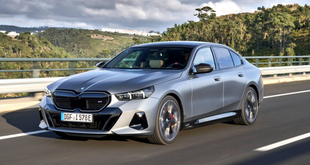
The next BMW i5 is set to chart its own course, ditching the shared underpinnings it currently uses with the combustion-powered 5 Series in favour of a purpose-built electric architecture. Confirmed by BMW’s board member for research and development, Joachim Post, the move mirrors the approach already taken with the new i3, which sits on a dedicated platform entirely separate from its petrol-driven sibling. For the i5, this shift promises significant gains in range, efficiency and interior packaging, addressing the compromises that come with engineering a single chassis to accommodate both electric and internal combustion powertrains.
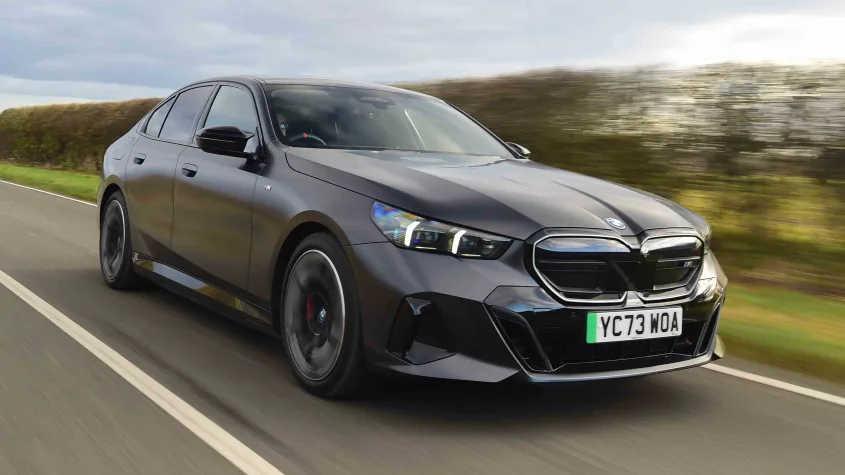
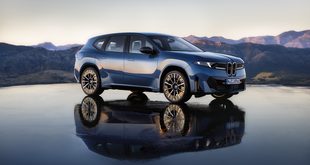
The current i5 shares its CLAR platform and bodyshell with the conventionally powered 5 Series, a solution that inevitably limits how far BMW can push the car’s electric capabilities. The proof is already in the numbers: the smaller, more affordable i3, built on its bespoke Neue Klasse foundations, outstrips the existing i5 by nearly 200 miles of range in certain configurations. That gap highlights the tangible benefits of tailoring a chassis specifically for battery-electric hardware, from optimised cell placement beneath the floor to a more aerodynamically efficient body structure that does not need to accommodate an engine bay.
Post made it clear that BMW’s strategy hinges on scaling its most advanced technology across the entire model range. With the company producing roughly 2.5 million cars annually across a vast spread of derivatives, every significant engineering breakthrough needs to pay dividends beyond a single nameplate. The i3’s innovative platform is the blueprint, and the next i5 will be one of several models to benefit as the architecture ripples upward through the lineup. It is a calculated move that balances the enormous development costs of a new platform against the performance and efficiency advantages it unlocks across multiple segments.
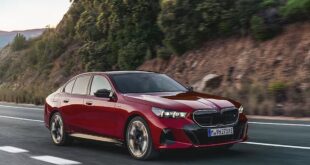
Before that all-new model arrives, however, the current 5 Series is due for a substantial mid-life refresh around 2027. This update will bring revised exterior styling, a reworked interior and upgraded battery cells and electric motor components drawn from the Neue Klasse programme. While these changes should sharpen the existing i5’s competitiveness, they will not fully close the gap to a car engineered from the ground up as an electric vehicle. The fundamental packaging constraints of the shared platform will remain, meaning the current car can only be improved so far.
With the next-generation i5 unlikely to surface for another three to four years, patience will be required from buyers eager to experience the full potential of BMW’s dedicated electric architecture in a 5 Series-sized package. In the meantime, the i3 serves as a compelling preview of what that future holds, demonstrating that when BMW builds an electric car without compromise, the results are transformative. For the i5, the road ahead looks promising, and the decision to go bespoke signals that BMW is fully committed to making its electric models stand on their own merits rather than playing second fiddle to their combustion counterparts.