 BMW.SG | BMW Singapore Owners Community The Ultimate BMW Community – Established Since 2001

The folks running the painted plastics shop at BMW Plant Leipzig have just thrown the switch on a serious piece of factory wizardry, scaling up a brand-new terahertz-based measurement system that scans the paint layers on bumpers, side skirts, and spoilers as they roll down the production line. The contactless tool can read off the thickness of every individual coat of paint in a matter of seconds, without ever laying a blade on the bodywork, marking a major leap forward in how the German automaker keeps quality tight on its body panels. According to Christoph Theiselmann, who heads up Exterior Plastics Production at the Saxon facility, the new kit replaces a fiddly manual inspection routine with a fully automated solution that lifts quality assurance onto an entirely new plane.
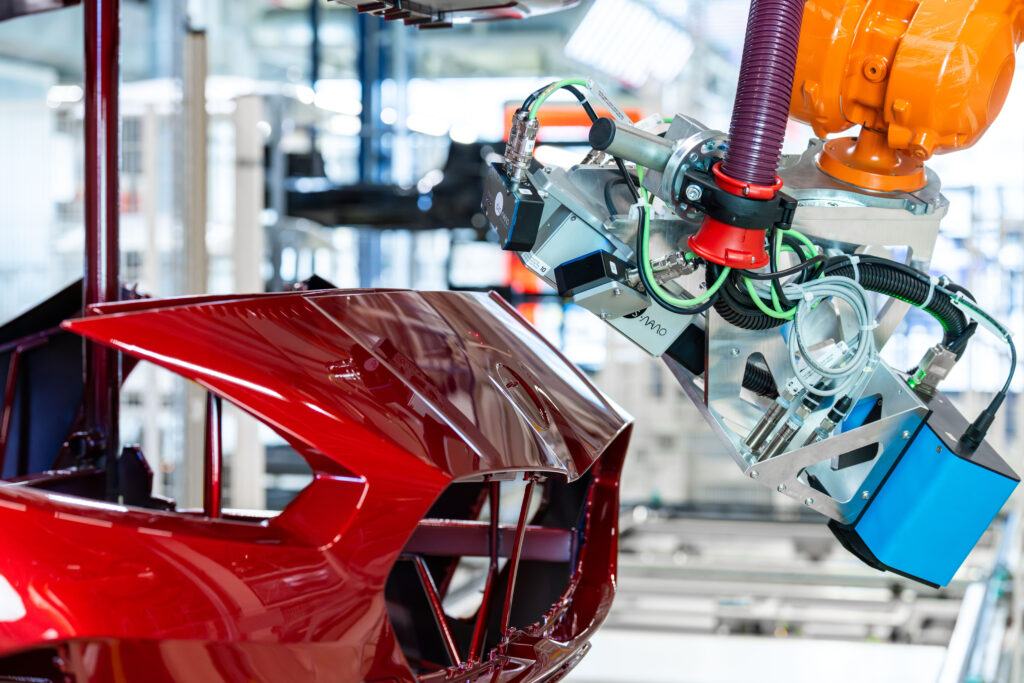
Sitting at the centre of the new setup is a terahertz scanning rig called Irys, engineered by specialist technology partner das-Nano for the rough and tumble of industrial inline inspections. The system reads multi-layer paint stacks without touching the panel and serves up real-time data straight to the production floor, a significant step up from the methods used previously. Until now, technicians at Leipzig had to slice into freshly painted plastic components with scalpels and pop them under a microscope, a process that destroyed perfectly good parts and only revealed problems after the fact, when bins of scrapped bodywork were already piling up.
The way the new technology works is wonderfully neat. A pair of robots, mounted inside the existing end-of-line measurement cell, swing a brace of terahertz sensors into precisely the right position alongside each bumper or skirt as it appears. The sensors then fire harmless terahertz waves at the painted surface and listen for the reflections, calculating the thickness of every individual lacquer coat by measuring exactly how long each pulse takes to bounce back. The whole process wraps up in mere seconds and reads accurately right down to the micrometre, giving line workers objective, repeatable numbers they can rely on every single time.
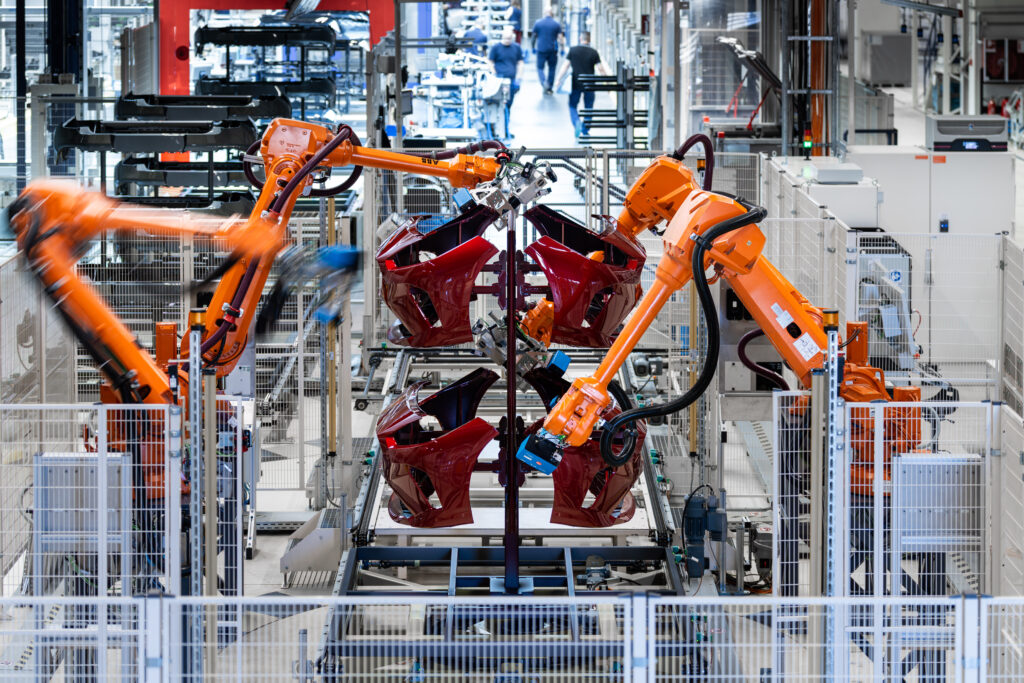
The benefits stretch well beyond simply tossing out the scalpels. By scrapping destructive testing altogether, the marque has slashed waste, cut material consumption, and made the entire painted plastics operation considerably more cost-effective. Process deviations now surface almost the moment they appear rather than several stages downstream, which means engineers can fix problems before a stack of panels has to head for the recycling bin. Theiselmann notes that the combination of greater measurement accuracy, direct line integration, and full digitalisation is paying off across the whole production chain, sharpening quality, economic efficiency, and resource conservation all in one go.
Following the introduction of automated surface inspection back in 2024, this terahertz rollout marks the next big stride towards a fully digital paint shop for plastic body parts at Leipzig, with all of the resulting measurement files now generated and stored digitally for AI-driven analysis further down the road. The Saxon facility is the very first BMW Group site to weave the technology into its in-house production and is also breaking fresh ground for the wider plastics industry, where nobody else has yet used terahertz scanning to inspect paint thickness on injection-moulded components. After successful piloting, the system is now compatible with every component carrier skid in the plant and is being expanded across all colour variants, with strong potential to be rolled out at other BMW production sites and even across the supplier network in the years ahead.