 BMW.SG | BMW Singapore Owners Community The Ultimate BMW Community – Established Since 2001

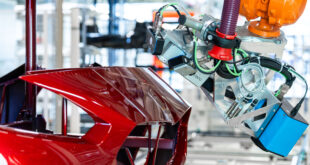
The BMW Group is firmly pressing the throttle on the future of automotive production, steering its Additive Manufacturing Campus (AMC) into a highly automated new era. Under the fresh leadership of Timo Göbel, the Munich-based powerhouse is deploying open-material 3D printing technologies across every phase of a vehicle’s life cycle. From the initial spark of conceptual design to the final assembly line and beyond into aftersales, these advanced manufacturing techniques are becoming the backbone of the brand’s engineering strategy. By replacing traditional tooling with digital precision, the company is ensuring that everything from a nimble MINI hatchback to a bespoke Rolls-Royce rolls out with unparalleled structural integrity and speed.
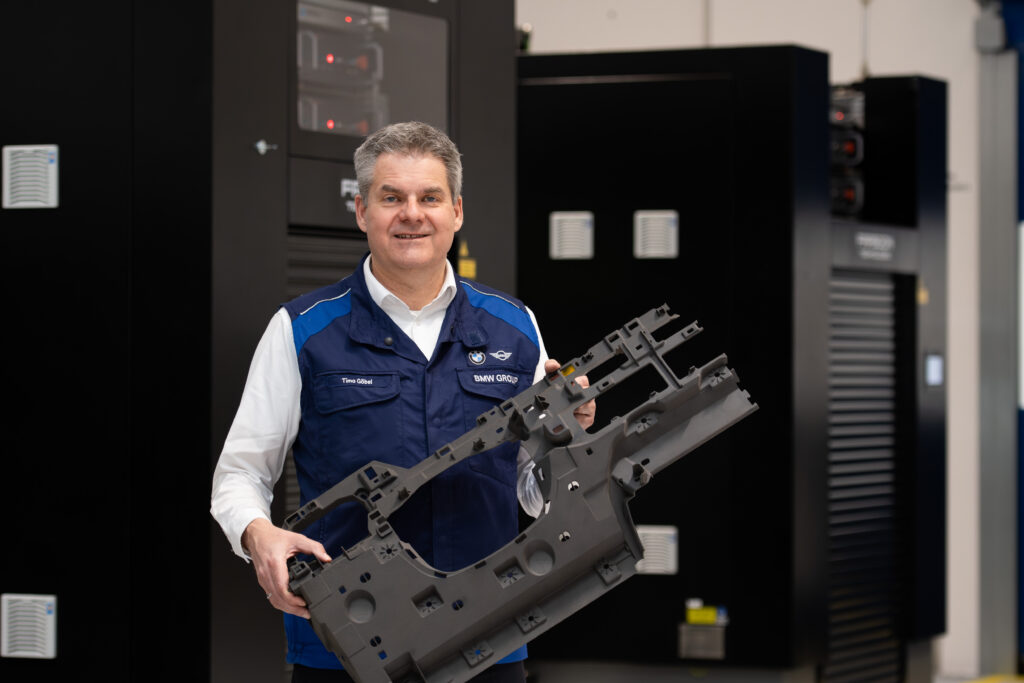
This shift in manufacturing geometry is already yielding massive dividends in the prototyping paddock. Engineers can now rapidly print high-strength components that are robust enough to withstand punishing dynamic testing and rigorous crash simulations. This agile approach significantly shortens the runway from the drawing board to the tarmac, playing a crucial role in validating complex architectures like the upcoming Neue Klasse and the latest electric drive units. Rather than waiting weeks for conventional moulds to be fabricated, the development teams can hit print, allowing them to fine-tune aerodynamics and mechanical tolerances on the fly.
To maintain this relentless pace, the AMC is expanding its heavy-duty machinery to accommodate larger build volumes and entirely new industrial processes. A standout addition to their arsenal is Wire Arc Additive Manufacturing (WAAM), a technique specifically engineered to forge massive structural components with rapid deposition rates. Having successfully completed intensive vehicle testing, this method is scheduled to hit the main production lines by 2027. Combined with fully networked polymer and metal printing arrays developed through the IDAM and POLYLINE projects, the factory floor is transforming into a highly reactive environment where bespoke parts can be summoned on demand.
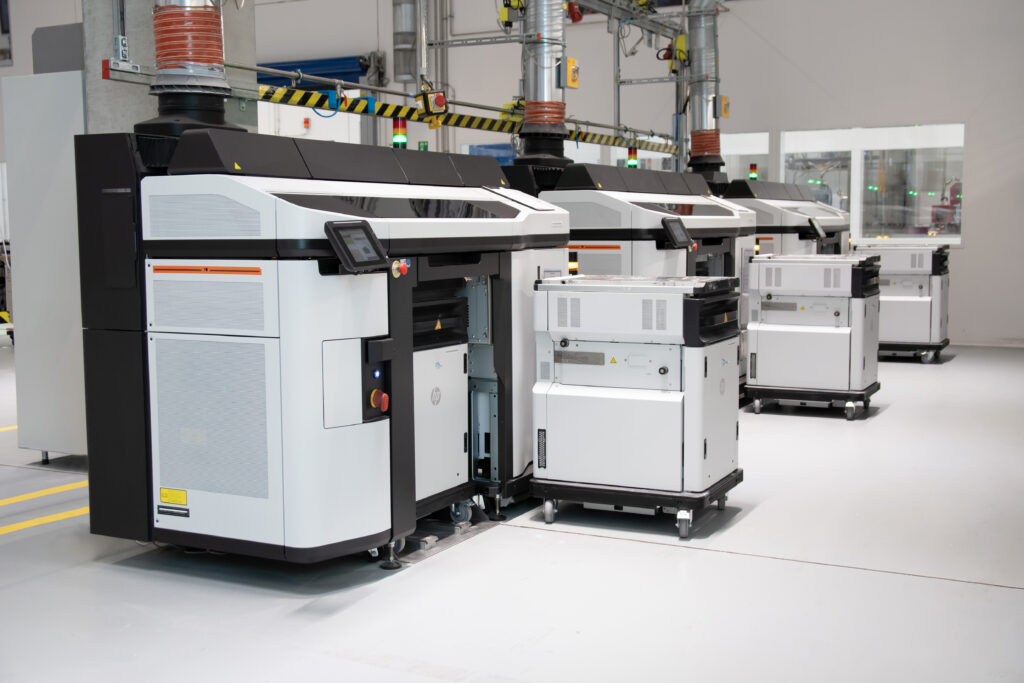
The ripple effect of this technological overhaul extends far beyond the Bavarian borders, integrating seamlessly into the global production network. Every manufacturing plant under the corporate umbrella now has the capability to print essential production aids locally, drastically reducing downtime and logistical bottlenecks. By continuously scouting for innovative materials and rigorously training their global workforce, the team is cementing 3D printing as a cornerstone of modern vehicle assembly. As the industry races toward tighter deadlines and complex electric powertrains, this mastery of additive manufacturing ensures the manufacturer remains several gear changes ahead of the competition.