 BMW.SG | BMW Singapore Owners Community The Ultimate BMW Community – Established Since 2001

BMW has stepped away from the much-derided idea of charging a recurring fee for heated seats, but it hasn’t dropped the broader concept of pay-to-unlock features after purchase. The argument is simple: some buyers want a cleaner order sheet at the start, then the freedom to activate certain functions later if their needs change.

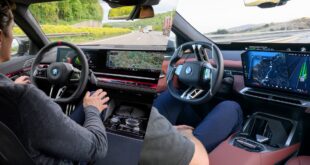
BMW says this approach makes particular sense for software-heavy systems that rely on ongoing services. Advanced driver-assistance functions and live traffic data, for example, can generate continuing backend and data costs once they’re being used, so the company frames post-purchase activation as a practical, opt-in way to access those capabilities when they’re genuinely wanted.
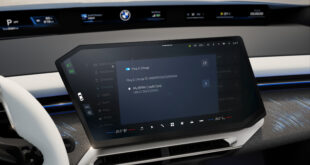
Where the debate heats up is when the hardware is already fitted to the car. Critics see it as an artificial restriction: the kit is in the vehicle, yet access is locked behind software. That tension is heightened by the spread of digital storefronts that let owners toggle functions on and off like in-car upgrades, even when the physical components never change.
BMW has also been keen to draw boundaries around what it won’t sell this way. It says it won’t charge customers to unlock extra power, and it’s not planning to follow the route of offering software updates that extend an electric car’s driving range. The focus, instead, remains on features and services that sit on top of the car’s existing capability.
The bigger picture is that availability differs by model and market, depending on what’s fitted as standard and what was selected when the car was ordered. For drivers, the appeal is flexibility; for critics, the concern is paying again for a car’s built-in potential—especially when everyday comfort and convenience functions start to feel like downloadable add-ons.