 BMW.SG | BMW Singapore Owners Community The Ultimate BMW Community – Established Since 2001


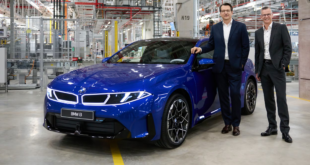
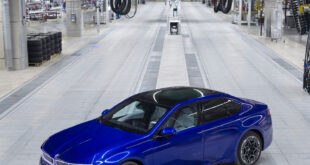
MotorTrend compares the new 2014 BMW i8 with the Tesla Model S P85+ which they consider as the reigning green car champ. The top-of-the-line P85 comes with with 416 hp, 443 lb-ft of torque at 0 rpm, some handling tweaks, a jumbo 85 kilowatt-hour battery pack rated at 265 miles of range per charge. BMW i8 on the other hand uses a plug-in hybrid system consisting of a turbocharged three-cylinder BMW TwinPower Turbo petrol engine and BMW eDrive technology in the form of an electric drive system. The 1.5-liter combustion engine develops 170 kW/231 hp and drives the rear wheels of the BMW i8, while the 96 kW/131 hp electric drive sends its power to the front wheels and allows an all-electric range of up to 35 kilometers (22 miles) and a top speed of 120 km/h (75 mph). So which one wins?
Performance
It’s hard to believe that a low-slung, 3378-pound carbon-fiber car with a turbo engine, all-wheel drive, and two electric motors lugging just 9.3 pounds per total system horsepower plus six gears’ worth of torque multiplication couldn’t just run away and hide from a big, upright, 4633-pound (11.1 pounds per horse), rear-drive electric hatchback with a one-speed transmission — but in fact it can’t.
The Tesla’s peak torque at 0 rpm makes for a great hole-shot, and it travels just 20 inches farther than the i8 to reach 30 mph. It actually reaches 60 mph 8 inches ahead of the i8, though 0.1 second slower than the i8′s 3.8-second time. By the quarter mile, the Tesla is running out of leverage from the one-speed, so its trap speed trails the i8′s, but the time is still close: 12.5 seconds at 108.4 mph compared with the i8′s 12.4 at 112.1. In the grip department, the Tesla continues to amaze, managing to halt from a 60-mph clip 1 foot shorter than the BMW (102 feet versus 103).
Bend them into a turn, however, and the lighter (more evenly weight-balanced) i8 takes the lead, generating 0.94 g of lateral grip to the Tesla’s 0.91. That cornering advantage allowed the BMW to carry a bit more speed through the ends of our figure-eight course, while the AWD helped it claw its way out more quickly, carrying a 4-5 mph advantage on the Model S at corner exits. This added up to a scant 0.2-second advantage (24.6 to 24.8) with a tie in overall average lat/long g at 0.80. Again, unimaginably close performance for such disparate vehicle types. Let’s give the advantage to BMW, by the slimmest of margins.