 BMW.SG | BMW Singapore Owners Community The Ultimate BMW Community – Established Since 2001

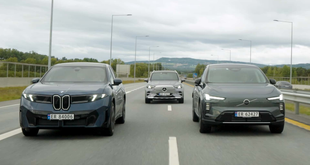
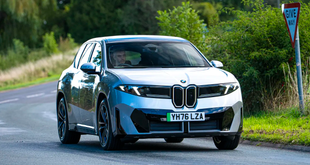
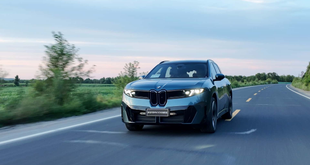
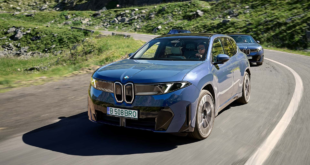
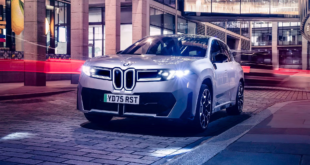
For years, taking an electric motor on a serious long-haul drive felt like signing up for a logistical headache. That story has shifted dramatically as battery packs have grown, drivetrains have sharpened, and motorway range figures have climbed to numbers that would have seemed fanciful a decade ago. Sitting right at the front of this new wave is the BMW iX3 xDrive50, the freshly launched crossover that has just torn through a punishing 620-mile motorway test conducted by respected Norwegian EV specialist and YouTuber Bjorn Nyland, embarrassing several of its toughest rivals in the process.
The challenge itself was the brainchild of Nyland, who has built a reputation for putting every major battery-electric model through identical real-world endurance runs. He set out to see how long it would take to cover 1,000 kilometres of genuine motorway driving, charging stops included, in the new Bavarian crossover. It is a test that punishes anything thirsty, slow to charge, or short on usable battery capacity. With its 108-kilowatt-hour pack, peak charging speeds of up to 400 kW, and a claimed range stretching beyond 400 miles, the iX3 xDrive50 turned up looking every inch the favourite to handle the run.
Conditions, however, were anything but kind. Nyland set the cruise control at 75 mph and pointed the bonnet down the motorway with the ambient temperature hovering around freezing point at 0°C, exactly the sort of environment that drains lithium-ion cells faster than warm summer tarmac ever could. The press car was also riding on the larger 21-inch alloys rather than the more aerodynamically friendly 20-inch wheels, adding yet another efficiency penalty before the journey had even begun. None of it seemed to faze the BMW.
The iX3 reeled in the full 620 miles in eight hours and 55 minutes, needing only two stops at the rapid chargers along the way. That total time matched the benchmarks set by the Tesla Model S Long Range and the Zeekr 7X Performance, both of which Nyland has put through the same gruelling format. The crucial difference came down to consumption, with the BMW recording an average of 2.3 miles per kWh, or roughly 26.7 kWh per 100 kilometres, while running in temperatures considerably colder than its rivals had to contend with. Warmer weather would almost certainly tilt the result even further in BMW’s favour.
What this run really proves is that the iX3 xDrive50 has no obvious chink in its armour as a long-distance motorway tool. It sips electrons for a crossover of its size, drinks them back in at staggering speeds when plugged into a suitable rapid charger, and never asks the driver to give up performance or cabin comfort to achieve those numbers. For anyone who has long suspected that battery-electric crossovers were finally ready to swallow continental drives without drama, the new BMW has just delivered some of the most convincing evidence yet seen on a public motorway.