 BMW.SG | BMW Singapore Owners Community The Ultimate BMW Community – Established Since 2001

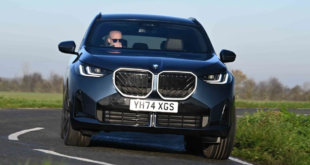
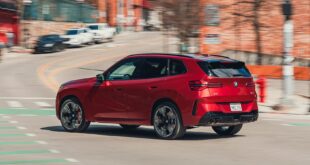
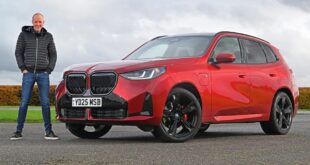
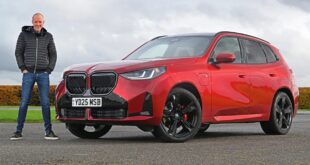
The BMW X3 30e xDrive M Sport has spent seven months on Auto Express editor Phil McNamara’s long-term fleet, and a clear picture has emerged of where this plug-in hybrid SUV shines and where it stumbles. After 14,671 miles, returning a creditable 57.3mpg, Phil’s verdict reads like the proverbial curate’s egg. The drivetrain is genuinely efficient when the wallbox is doing its job, the cabin feels handsomely finished, and the chassis comes alive on a flowing B-road. Trouble is, family SUVs rarely live their lives on flowing B-roads, and the X3’s compromises start to bite the moment Britain’s broken tarmac comes into play.

Ride quality is the X3’s Achilles heel. M Sport trim brings subtly lowered suspension over 21-inch wheels wrapped in skinny 40-section rubber, plus stiffer springs and beefier anti-roll bars to wrestle with the 2,140kg kerb weight. Manhole covers, expansion joints, sudden crests and potholes all funnel their energy directly into the cabin, prompting regular pleas from back-seat passengers for smoother driving. Find a sweeping, well-surfaced corner with no traffic ahead, and the X3 carves through brilliantly, body roll well contained and steering nicely judged, but those moments are rare. Motorway cruising is at least respectably quiet, with just a whisper of wind noise once electric drive takes over.
Living with the plug-in hybrid hardware has been a lesson in efficiency mathematics. Spring weather pushed the projected EV range up to 57 miles, and on home wallbox charging at 7p per kWh overnight, brimming the 19.7kWh battery costs less than £1.50. Stretch a tankful with regular plugging in, and the 50-litre fuel reserve translates to over 600 miles between fills. The catch arrives the moment public charging enters the equation. Slow-charging away from home proved frustratingly difficult, and across the March mileage just 44 per cent ran on eDrive, sliding to 24 per cent over April. Predictably, fuel economy dipped from 55.8mpg to 42.4mpg during that spell, dragging it down to diesel SUV territory.

Inside, the cabin treats occupants well, although it isn’t quite as roomy as the X3’s footprint suggests. Two six-footers can sit in tandem with around an inch of rear kneeroom, and the boot offers a wide, shallow 460-litre space, although the hybrid battery rules out proper underfloor stowage. The Comfort Plus Pack adds heated rear seats, sun blinds and rear climate controls, all of which keep younger passengers content on long hauls. M Sport seats are firm yet supportive, the Harman Kardon stereo punches well, and the head-up display now mirrors Google Maps directions, a welcome first. iDrive software still hides crucial drivetrain controls behind multiple menus, however, and the 360-degree camera ghosting around obstacles makes tight reversing trickier than it should be.
The boost paddle deserves a mention because the X3 doesn’t launch like many BMWs of old. Combined kerb weight, occupant load and the powertrain’s hybrid hesitation can blunt overtakes, but pull the paddle, wait a beat, and the driver’s display fires up while every available kilowatt and horsepower is unleashed for cleaner passes. Lacking DC rapid charging is a frustration, especially on longer hauls where preparing the battery for the return leg simply isn’t possible, although Auto Express colleagues argue public charging at premium prices undermines the financial logic anyway. Whether BMW’s next-generation Neue Klasse hardware addresses these niggles in the upcoming iX3 will be telling. For now, Phil concludes, the X3 30e remains a talented, efficient companion that desperately needs softer damping to deliver on its family SUV promise.