 BMW.SG | BMW Singapore Owners Community The Ultimate BMW Community – Established Since 2001

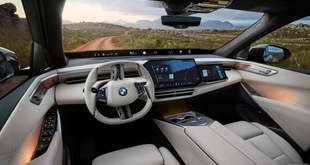
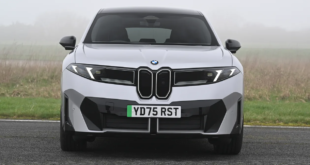
BMW’s latest iX3 marks a decisive step forward for the brand’s electric ambitions, moving beyond incremental gains and into genuinely new territory. Built on the Neue Klasse platform, this SUV has been engineered from the ground up as an EV, and it shows in the way efficiency, performance and usability come together as a cohesive package rather than a collection of compromises.
At the heart of the transformation is a new battery concept that focuses on smarter packaging and reduced mass. BMW’s engineers have adopted a cell-to-pack layout and introduced a structural battery design, allowing the pack to contribute to the car’s rigidity. This approach frees up space, trims unnecessary weight and helps deliver a notably longer driving range without resorting to an oversized battery.
Charging has received just as much attention. An 800-volt electrical architecture allows the iX3 to accept very high DC charging power, meaning shorter stops and more predictable long-distance travel. BMW has also refined thermal management to keep charging speeds consistent, while adding bidirectional capability so the car can feed energy back to a home or the grid when required.
Crucially, the technology is backed up by thoughtful software. The navigation system is now able to flag charging stations that fail to deliver their claimed output, helping drivers plan journeys with greater confidence. Taken as a whole, the iX3 feels like a turning point: a BMW electric SUV shaped by deep engineering work rather than adaptation, and a clear signal of where the brand is heading next.