 BMW.SG | BMW Singapore Owners Community The Ultimate BMW Community – Established Since 2001

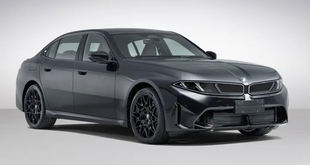
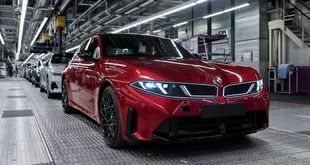
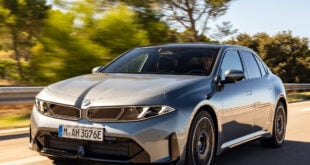
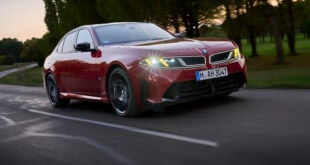
The new BMW 3 Series and i3 look like twins. Underneath, they are anything but. After driving both, Auto Express editor-at-large Phil McNamara argues this is exactly why BMW has got it right.
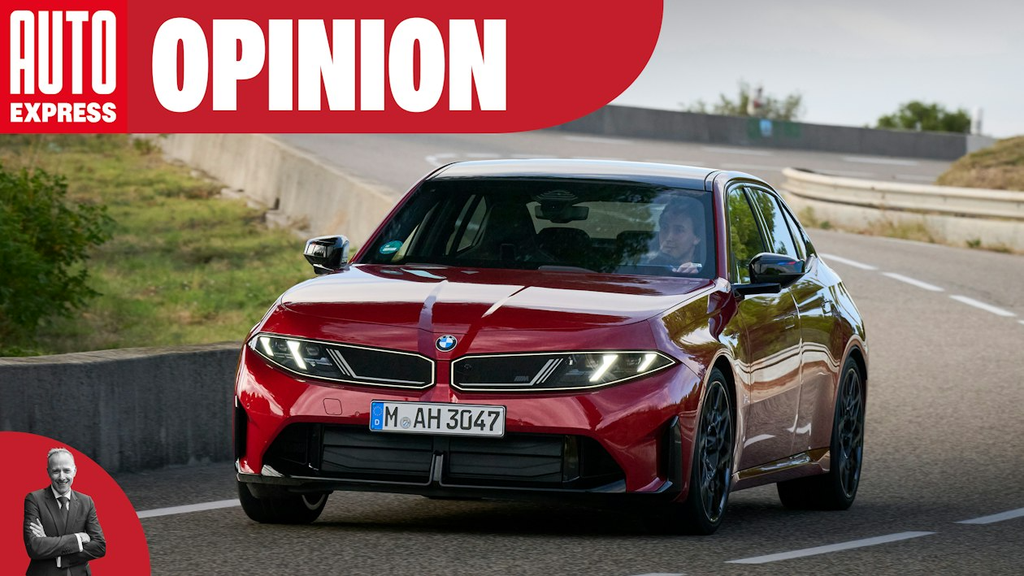
The petrol 3 Series uses the latest CLAR architecture, shared with the 7 Series. The i3 sits on the electric Neue Klasse platform. BMW could have forced buyers down one path. Instead, it lets them pick their powertrain without losing the driving dynamics the badge is famous for. It is a big step towards the powertrain-agnostic car.
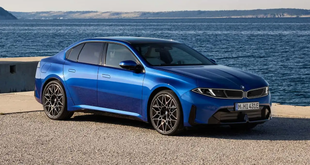
The differences are subtle but real. The i3 stands about 25mm taller and has a 37mm longer wheelbase, freeing up extra rear legroom. That length makes room for the battery between the axles. The trade-off is that the seats cannot sit quite as low. The six-cylinder M350 is near-identical in length to the i3 but a touch narrower, with a classic long dash-to-axle ratio. Neue Klasse also accepts 21-inch wheels, while the 3 Series tops out at 20 inches.
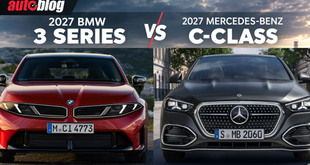
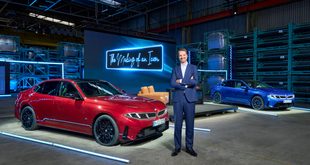
Telling them apart takes a sharp eye. The lower grille cools either batteries or an engine, so it gives little away. The i3 has a tidier waistline with hidden window seals. The real giveaway is at the back, where only the 3 Series wears tailpipes. Project director Norman Wiebking says the goal was making twins. Neue Klasse boss Dr Mike Reichelt admits two platforms sparked an intense debate, but BMW has the volume to make it work.
Next up is the M3, which will also arrive as a pure electric model. It would be the first true performance EV from BMW M. McNamara’s verdict is short and sweet. Bring it on.