 BMW.SG | BMW Singapore Owners Community The Ultimate BMW Community – Established Since 2001

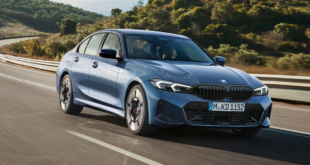
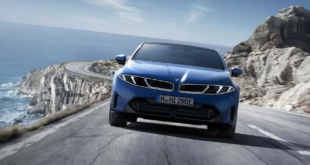
The new BMW 3 Series has been engineered to leave a lighter mark long before it turns a wheel. BMW has applied the same sustainability playbook to both the battery-powered i3 and the combustion saloon, covering raw materials, factories, daily driving and eventual recycling. During development, supply-chain emissions fell by roughly 37 per cent for the i3 and about 30 per cent for the petrol car. Both remain forecast figures for now. The final numbers arrive with the vehicle footprint report before production starts.

Battery chemistry does much of the heavy lifting. The i3 runs Gen6 cells that draw part of their cobalt, lithium and nickel from recycled stock. Renewable power feeds the anode and cathode plants, and the cell manufacturing itself. Measured per watt-hour, the carbon footprint drops by around 33 per cent against the Gen5 cell used in the i4. Silicon carbide electronics inside the drive units cut energy losses by as much as 40 per cent, so less of the stored charge disappears as heat.
Recycled metal turns up all over the car, including in parts that take a beating. Wheel rims, swivel bearings and wheel carriers are cast from aluminium smelted and worked using renewable electricity. The bonnet is roughly 70 per cent recycled aluminium. Taken as a whole, the i3 50 xDrive is about 31 per cent secondary material, while the combustion 3 Series sits nearer 25 per cent. That is unusually high for suspension hardware, which normally demands virgin alloy.

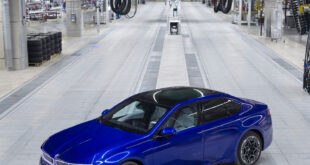
Geography handles the rest. Four Bavarian sites operate as one tight cluster, so components rarely travel far. Landshut casts crankcases, cylinder heads and the rear e-drive housing, with the drivetrains themselves assembled at Steyr in Austria. From October, Irlbach-Strasskirchen builds sixth-generation high-voltage batteries and sends them to Munich aboard electric lorries. That plant burns no fossil fuel in normal operation, uses rooftop solar and needs no water for battery assembly. Munich presses the bodies and feeds its own steel and aluminium offcuts straight back into new coil. Dingolfing adds an 11 megawatt-peak solar array and a biomass plant covering roughly half its process heat.
BMW will publish a TÜV-verified Product Carbon Footprint for the 3 Series as the car goes on sale, methodology included, with component figures calculated under Catena-X rules so emissions can be traced from the mine to the finished saloon. It is a nerdy document for what remains a keen driver’s car, yet it matters. Rivals talk about clean sheets. BMW is showing the receipts.