 BMW.SG | BMW Singapore Owners Community The Ultimate BMW Community – Established Since 2001

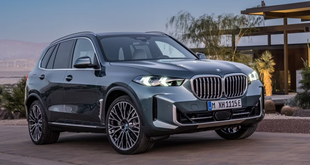
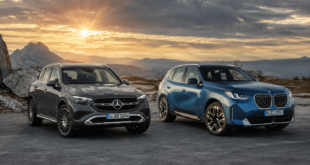
The new BMW X5 has landed with a number Munich clearly wants you to remember. The 2027 car makes 394 horsepower in its base form, which is 19 more than the mid-range Mercedes-Benz GLE 450 musters. In a segment where German rivals trade specification sheets like ammunition, that headline figure does its job. Yet the horsepower gap is the least interesting part of this fight. Look past the numbers and the real story is that BMW has torn up the rulebook while Mercedes has reached for the red pen.

The engine deserves credit all the same. BMW gave the familiar B58 3.0-litre turbocharged straight-six a new turbocharger for the X5 40 and X5 40 xDrive, lifting output from 375 to 394 horsepower. Torque jumps harder still, from 383 lb-ft to 428 lb-ft. It runs the Miller combustion cycle and pairs with a 48-volt mild-hybrid system built into the eight-speed automatic, worth up to 17 horsepower and 148 lb-ft on its own. Mercedes hits back with its own turbocharged 3.0-litre six, good for 375 horsepower and 413 lb-ft, plus a beefed-up electric auxiliary compressor and a starter generator that can chip in 23 horsepower. The GLE 450 even reaches 60 mph a tenth quicker than the base X5. On the stopwatch, honours are close to even.
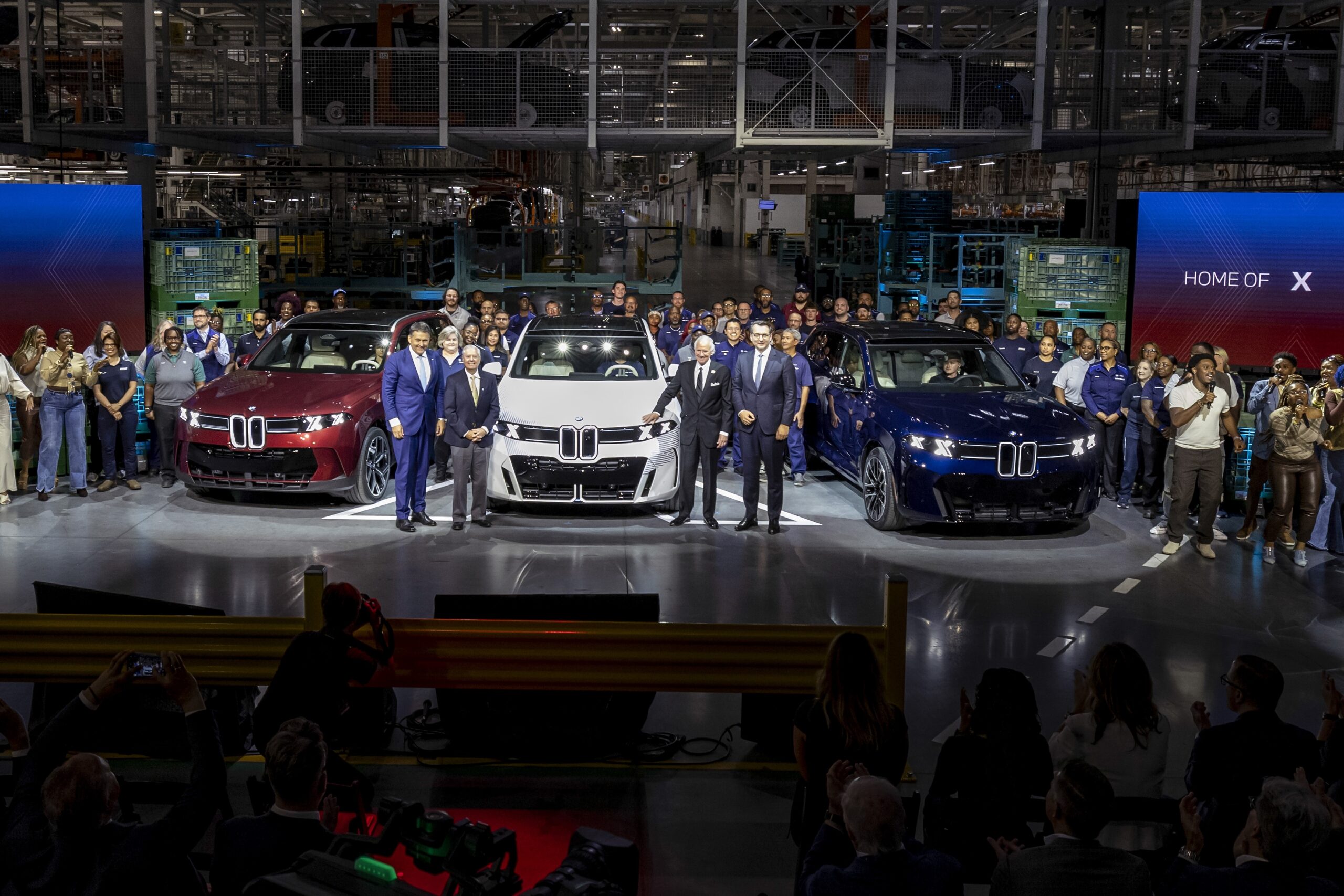
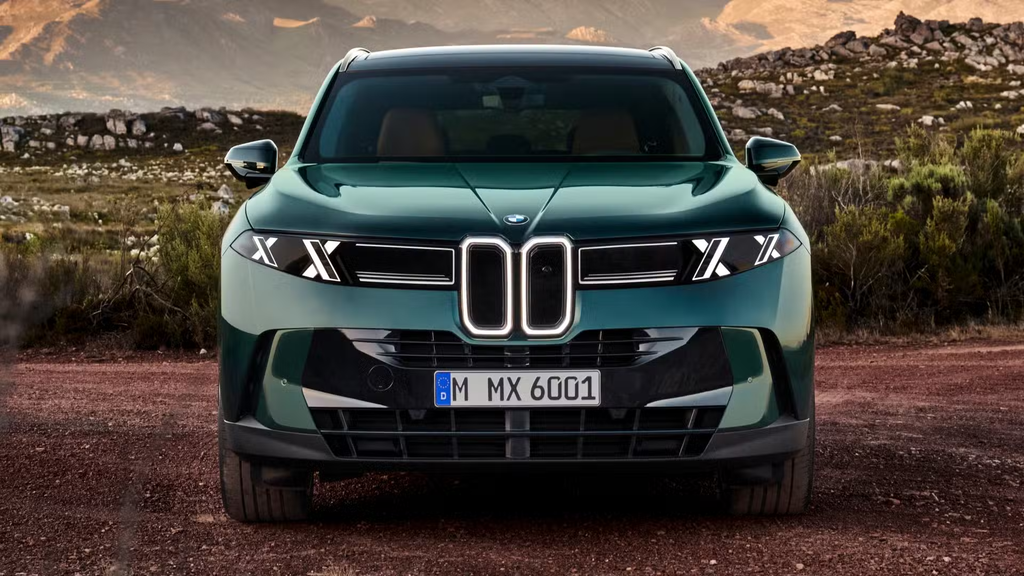
The gulf opens up elsewhere. This is the fifth-generation X5, a clean-sheet car rather than another round of nips and tucks. The sprawling horizontal grille has gone, replaced by narrow vertical kidneys set into a completely reworked nose with double X lighting graphics. Conventional door handles have been deleted in favour of winglets tucked into the B and C-pillars. The wheelbase has stretched, so rear passengers stretch out too. Inside, the instrument binnacle has been binned. Panoramic Vision throws key information across the base of the windscreen, a 17.9-inch free-cut touchscreen runs BMW Operating System X, and a passenger display is on the options list. Purists will grumble that a slab of glass is no substitute for a proper switch, and they have a point. The generational leap, though, is undeniable.
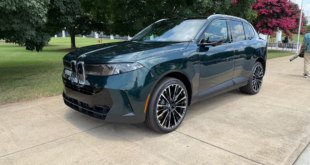
Then there is the sheer spread of hardware. BMW will sell the X5 with petrol engines, a diesel where it still makes sense, a plug-in hybrid, the fully electric iX5 and, in time, the hydrogen fuel-cell iX5. That is the broadest set of powertrains the marque has ever offered under one nameplate. The iX5 60 xDrive is the eye-catcher, running sixth-generation eDrive technology from the Neue Klasse programme with an 800-volt architecture and new cylindrical cells. Range is quoted at up to 435 miles and DC charging peaks at a startling 460 kW in the right conditions. One badge, one showroom, five ways to power it.
None of which makes the GLE obsolete. Mercedes has revised or replaced roughly 3,000 components, fitted the MBUX Superscreen as standard, moved to MB.OS with AI-assisted voice control and thrown ten cameras, five radar units and a dozen ultrasonic sensors at the driver-assistance suite. Cloud data even preloads the dampers for bumps the car has not reached yet. Digital Light now uses micro-LED technology and E-Active Body Control manages each corner individually. A mature platform lets engineers hunt down flaws and polish them out, and Mercedes will argue that case loudly. The trouble is timing. The GLE traces its bones back to 2018, and luxury buyers pay handsomely for whatever is newest. By 2030, the X5 will be three years into a generation designed for this decade. The GLE will be answering awkward questions about its birthday.