 BMW.SG | BMW Singapore Owners Community The Ultimate BMW Community – Established Since 2001

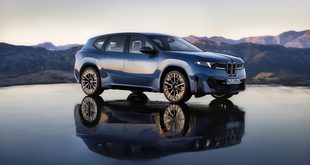
Heavier, electric and somehow sharper. The BMW iX3 50 xDrive has just humbled its petrol sibling, the X3 M50, in one of motoring’s toughest handling tests. Spanish outlet km77 hurled both SUVs through its notorious moose test, and the battery car came out on top despite carrying more than 225kg of extra weight. Physics, it seems, had other ideas. So how did the newcomer pull it off?
The moose test is brutally simple. A driver swerves sharply around an imaginary obstacle, then flicks back into lane without clipping a cone. It exposes body roll, understeer and any weakness in the stability control. On its first attempt at around 48mph, the iX3 ran wide with heavy understeer and could not tuck back in time. Then the driver learned its reflexes.
Round two told a very different story. The iX3 cleared the course at just over 45mph, matching the electric Mercedes-Benz GLC 400 4Matic EQ. The X3 M50, with its 393hp turbocharged straight-six, managed only 42.8mph. Its understeer arrived earlier and bit harder, leaving the tester noticeably less confident. Score a big one for the electric underdog.
The slalom backed up the verdict. The iX3 snaked through in 22.7 seconds, level with a petrol Porsche Macan and just a tenth shy of the more powerful electric GLC. Its steering felt precise and its body stayed flat and composed. Credit goes partly to the battery pack, mounted low in the floor to drag the centre of gravity towards the tarmac. Low mass pays dividends.
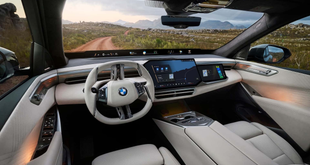
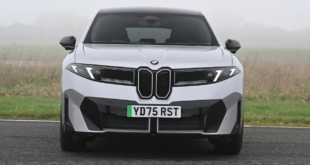
This victory runs deeper than cone-dodging. The iX3 wears BMW’s clean Neue Klasse design and the new Panoramic iDrive cabin, which already feels a clear step up inside. Its dual motors serve up 463hp, and a punchier iX3 M60 is on the way. The petrol X3 still sprints to 60mph a fraction quicker, but in the corners the electric car calls the shots. The future, it turns out, handles better.