 BMW.SG | BMW Singapore Owners Community The Ultimate BMW Community – Established Since 2001
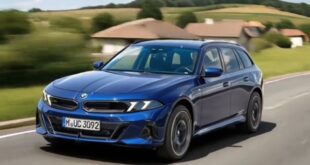
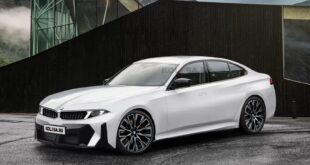
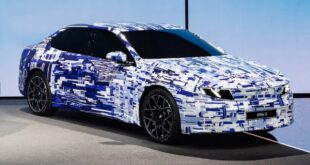
BMW’s next 3 Series is shaping up to be a split-personality star, combining familiar combustion power with a fresh all-electric line-up. Due in 2027, the new car will borrow heavily from the recently revealed iX3, trading the oversized grilles of some recent BMWs for a cleaner, flatter nose and calmer surfacing. Under the skin, though, the range will be more diverse than ever, with traditional petrol models and a reborn i3 badge sharing the same sharp-looking bodywork.
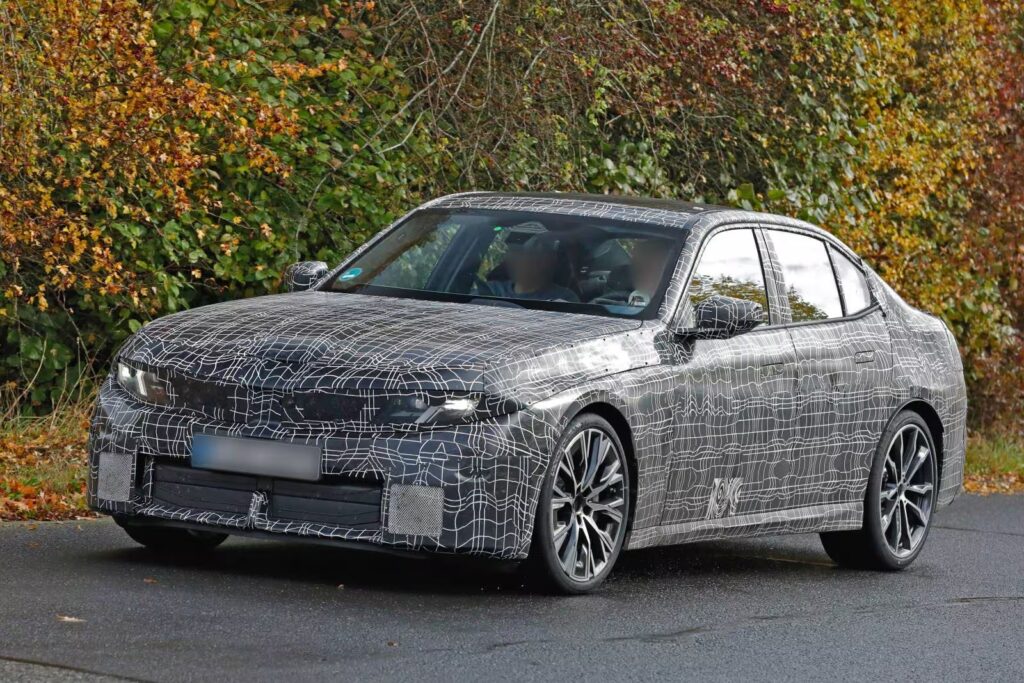
Visually, imagine the front of an iX3 carefully scaled to fit a compact sports saloon, and you are close to the mark. The proportions stay tidy, the grille treatment is toned down, and there is less fussy detailing than on some of BMW’s current range-toppers. Crucially, BMW is not planning to split the look between petrol and electric versions: whether you choose a conventional 3 Series or the battery-powered i3, you will get essentially the same stance, the same nose and the same neatly balanced profile.
The electric side of the family will see the i3 name return in a very different guise. Powertrains are expected to mirror those of the iX3, with dual-motor xDrive versions offering in the region of 450 bhp and strong torque, backed up by a projected driving range of more than 400 miles in the right specification. Less powerful, rear-wheel-drive variants and higher-output models are likely to follow, building a full ladder of performance. Sitting at the top, an electric M3 is widely tipped at last, joining a field that already includes heavy-hitting rivals from Lucid, Mercedes-AMG and Porsche.
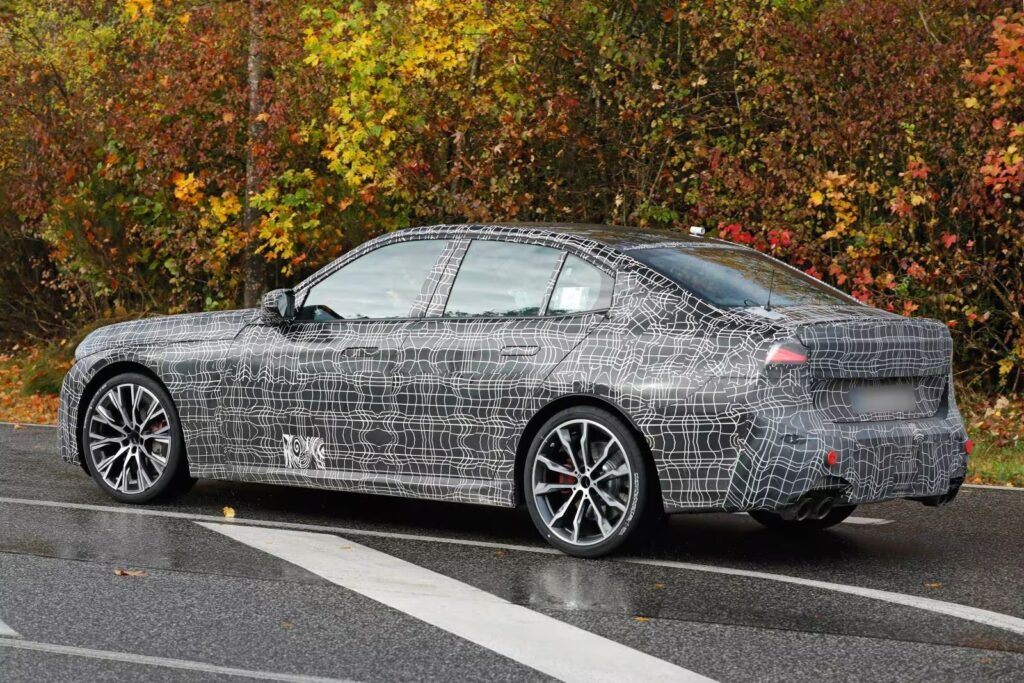
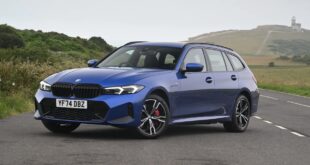
Petrol power will not disappear, though. The combustion 3 Series will launch alongside the i3, keeping the formula that has served it so well. Entry-level cars are expected to use a 2.0-litre four-cylinder engine paired with an eight-speed automatic gearbox, with rear- and xDrive all-wheel drive options on the table. Above that, the M340 should retain a turbocharged straight-six with close to 400 bhp, again with a choice of driven axles. For drivers who still enjoy revs, gears and fuel stops, the new car promises to feel like an evolution rather than a reset.
The biggest leap will be inside. BMW’s Panoramic Vision system will replace a traditional instrument binnacle with a band of projected information running along the base of the windscreen, split into configurable widgets for driver data, navigation and media. A 3D head-up display will float key details directly into the driver’s line of sight, while a central touchscreen will take charge of most primary functions, from drive modes and lighting to audio and ambient colour. It is a cabin layout we have already seen in the iX3, and in the 2027 3 Series, it will be wrapped around one of BMW’s most important nameplates – a car that now has to serve two worlds at once: petrol and electric, analogue and digital.