 BMW.SG | BMW Singapore Owners Community The Ultimate BMW Community – Established Since 2001

The 2027 BMW iX3 is the first Neue Klasse model that really shows what BMW’s new brainy architecture can do on the road. Beneath the familiar mid-size SUV shape sits a completely reworked electronic nervous system: four central computers take raw data straight from the sensors and fire commands directly at brakes, motors and dampers, cutting response times down to about a millisecond. BMW has even engineered its own ABS hardware to work with this set-up, so when you lean on the car, there is no electronic game of pass-the-parcel between different control units – just immediate action.
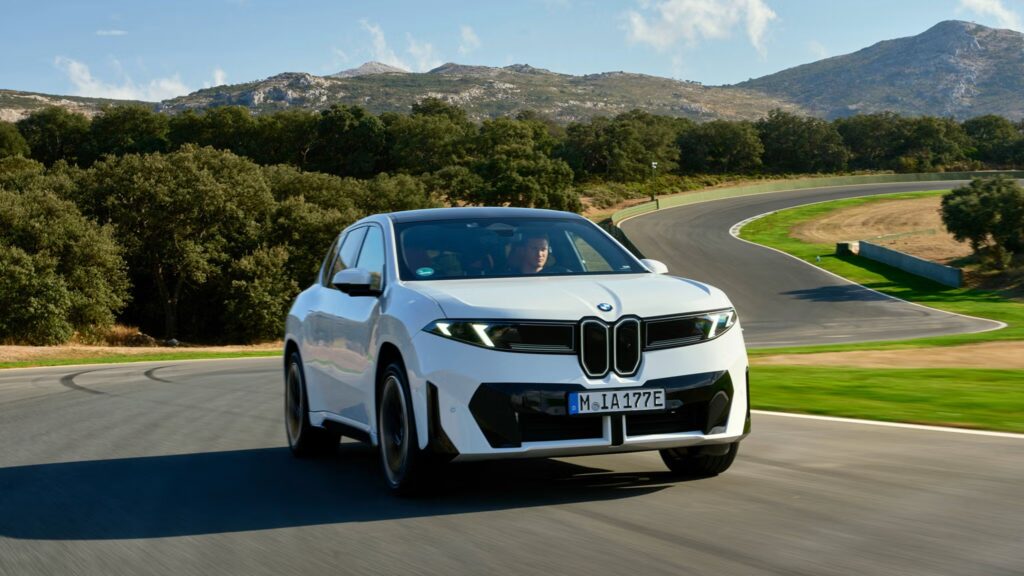
On the climb from the Andalusian coast up to Ronda’s sweeping bends, that “Heart of Joy” dynamics controller earns its name. Constantly measuring grip at each tyre, it shuffles torque front to rear and blends regenerative and friction braking so the iX3 uses every scrap of adhesion it can find, even when patches of damp tarmac appear mid-corner. With dual motors acting as instant-response actuators, it can ease the load off the front axle when it is busy steering, then feed more shove to the rear as you unwind the lock. The result is agility that makes you forget this is a five-door electric SUV weighing well over two tonnes, especially when it is sitting on its stickier Michelin Pilot Sport EV tyres.
On track at Circuito Ascari, the engineering becomes more than theory. The G-meter happily records lateral forces over 1.2 g and serious stopping power as the car barrels through an emergency lane-change and full-brake exercise from motorway speeds, yet still tracks straight and clean under hard inputs. The synthetic steering feedback, however, cannot quite match the fluid, oily feel of BMW’s old hydraulic racks. Sport mode adds weight to the wheel rather than genuine extra detail, a reminder that even the cleverest algorithms still struggle to replicate what a column of oil can tell your fingertips.
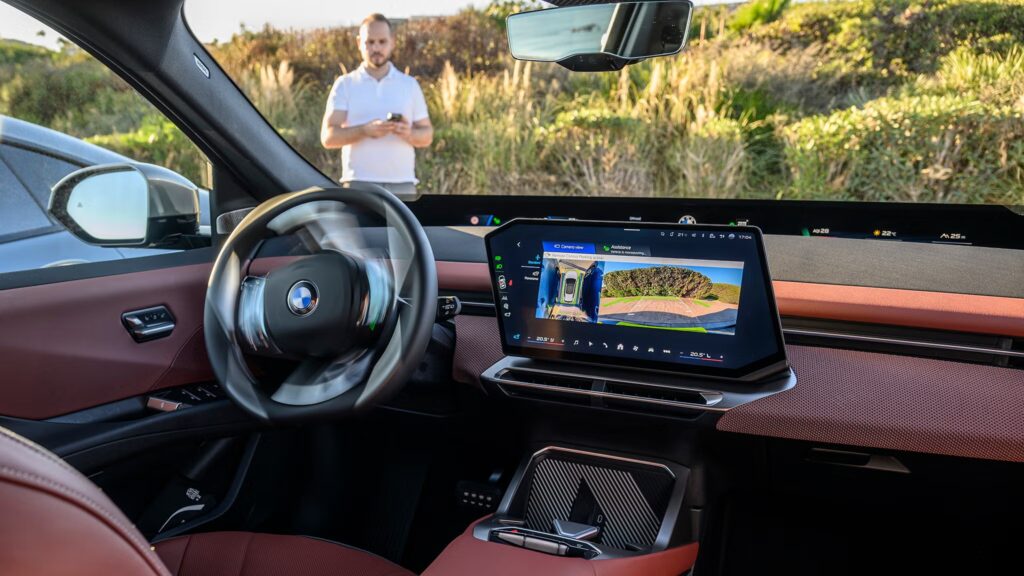
Away from the circuit, the iX3 doubles as a very modern long-distance tool. Driver assistance systems feel more like cooperative helpers than nagging supervisors: a glance at the mirror approves lane changes, hands-free cruising behaves naturally rather than nervously, and light manual inputs do not instantly cancel assistance. Remote parking via the My BMW app lets you slot the car into tight spaces or pull it out again while you stand outside and steer it on your phone. Charging hardware is equally forward-looking, with support for 400 kW DC rapid charging, 15.4 kW AC top-ups and bidirectional power flow, all tied into route and charge planning in the app.
Living with the tech will require some patience. The panoramic iDrive display across the base of the windscreen and the main touchscreen offer huge scope for customisation, but simple tasks such as changing regenerative braking levels currently demand too many taps and nested menus. Once set up, though, the iX3 rewards you with strong efficiency, a spacious cabin with comfortable seats and generous rear legroom, and a useful boot backed up by a small frunk for cables. Taken as a whole, this is not just another electric SUV from BMW; it is the first proper taste of how the brand intends to blend software muscle, chassis cleverness and everyday usability in the next generation of its road cars.