 BMW.SG | BMW Singapore Owners Community The Ultimate BMW Community – Established Since 2001

BMW Group is tightening its roadmap to net zero with a sharper target for 2035. Compared with 2019, the company now plans to cut at least 60 million tonnes of CO2-equivalent across its full value chain, an increase of roughly 20 million tonnes beyond its existing 2030 ambition. By the middle of the next decade, BMW wants every euro of revenue to be associated with less than half the CO2e it generated in 2019, setting a clear waypoint on the way to achieving net zero emissions by 2050 at the latest and aligning firmly with the Paris Agreement.
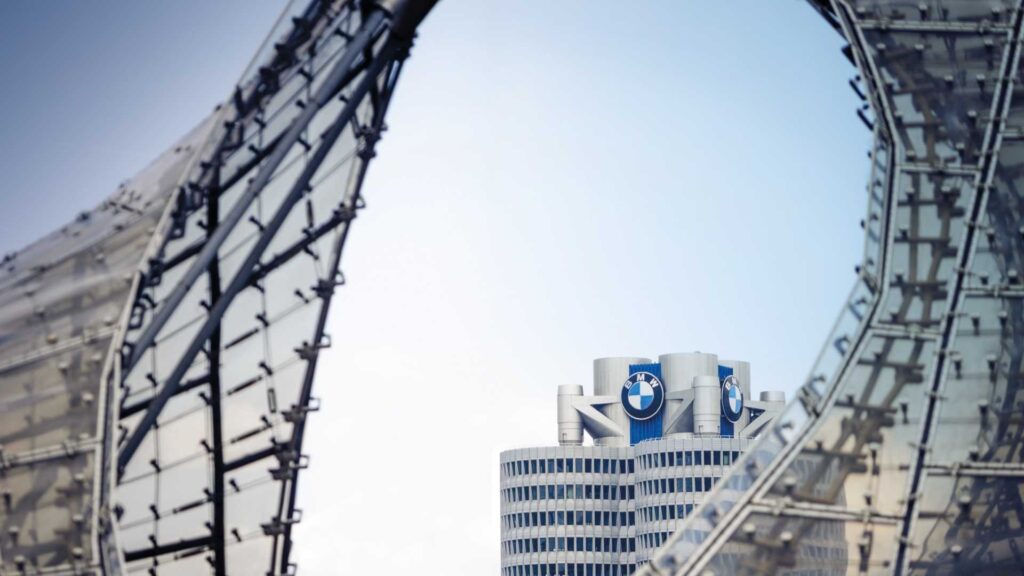
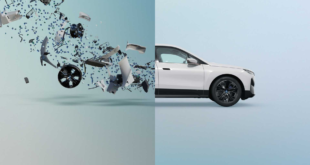
Rather than relying solely on the switch to electric cars, BMW is attacking emissions across the entire vehicle life cycle. That means tightening energy use and sourcing in production, pushing suppliers towards renewable power, increasing the share of secondary raw materials and continually improving efficiency out on the road. Petrol, diesel, hybrid and fully electric models are all being developed under a technology-neutral approach, so that whatever sits under the bonnet or in the battery tray is backed by cleaner manufacturing and lower energy consumption in daily use.
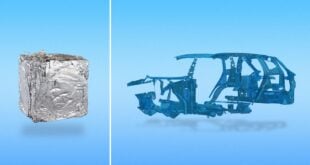
The supply chain is a particular focus, especially for high-impact components such as high-voltage batteries, aluminium and steel. BMW is expanding the use of recycled materials, reducing process emissions and bringing in new product and process ideas, including its sixth-generation battery technology, which is designed to cut CO2 as well as boost performance. In production, all externally sourced electricity for BMW plants worldwide has come from renewable sources since 2020, and the new Debrecen factory in Hungary is being brought online as the brand’s first car plant to run standard operations without fossil fuels such as oil and gas.
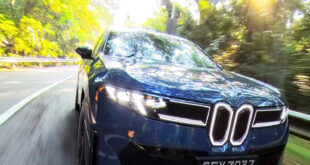
Out on the road, BMW is continuing to apply its EfficientDynamics philosophy regardless of drivetrain, hunting down energy savings in every subsystem from the powertrain and aerodynamics to tyres and thermal management. The latest BMW iX3, for example, uses up to 20 per cent less energy (WLTP combined) than its predecessor, showing how software, hardware and aero tweaks can be combined to squeeze more distance from every kilowatt-hour. Scaled across millions of vehicles, these incremental gains make a substantial difference to total life cycle emissions.
BMW is clear that reaching the 2035 milestone will also depend on factors beyond its direct control: greener steel production, a denser charging network, progress in circular economy infrastructure and advances in battery cell technology will all influence the final outcome. To stay ahead of that curve, the group is investing in in-house battery cell expertise and backing innovative recycling projects. Taken together, the new target and the measures behind it signal that BMW intends its future saloons, SUVs and performance models not only to be rapid and refined, but also to sit on a far lighter carbon footprint than the cars that came before them.